
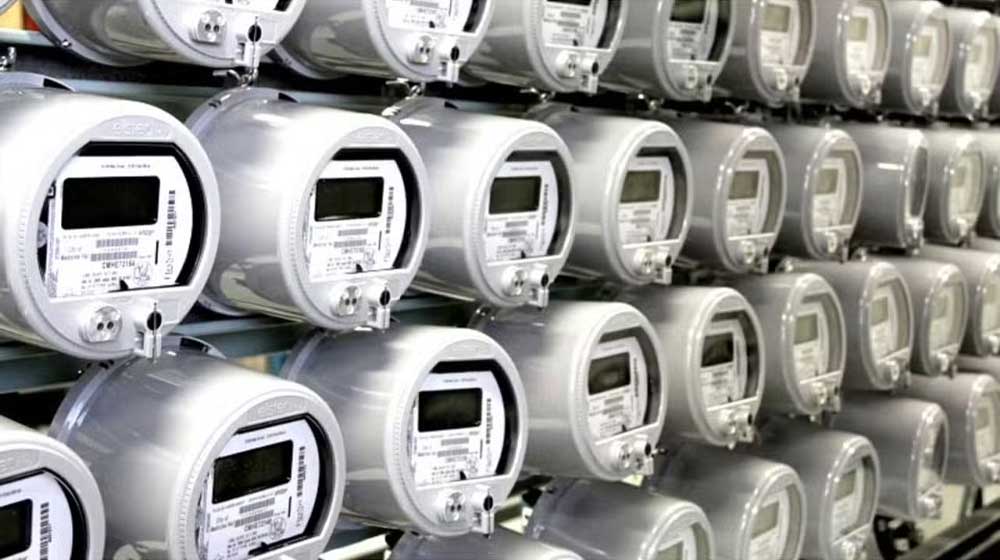
Pakistan plans to replace 16.2 million old electricity meters with smart meters in five power company areas, according to local media reports. The plan is being called a “free” rollout because users would pay nothing up front. The money would still come back through monthly electricity bills.
Where the meters will go
The plan covers single-phase meters in LESCO (Lahore), MEPCO (Multan), PESCO (Peshawar), QESCO (Quetta) and HAZECO (Hazara). Karachi’s K-Electric is not on the list.
The Private Power and Infrastructure Board (PPIB), the government body that deals with private power investors, has been tasked with hiring a private company to install and run the system. Officials have said it is the first time this kind of work is being done as a partnership between the government and private firms.
Pay later, not pay nothing
Reports say investors would install the meters and be paid for each one through monthly bills, in rupees. The programme is meant to finish within two years, after a first round of international bidding.
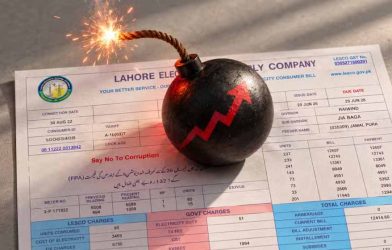
That is where “free” stops being accurate. The Federation of Pakistan Chambers of Commerce and Industry (FPCCI) warns that consumers could end up paying about Rs. 1.4 trillion over 12 years. Its own example uses a cost of Rs. 40,000 per meter, which would mean Rs. 648 billion for 16.2 million meters. FPCCI wants the plan put on hold until an independent cost-benefit study is finished and published.
Spread across all 16.2 million meters, Rs. 1.4 trillion over 12 years works out to about Rs. 86,000 per meter, or roughly Rs. 600 a month. That is our own arithmetic on FPCCI’s estimate. It is not a government figure, and real bills would depend on the final deal.
Three cost figures, no match
The latest reports put the cost at $60 to $80 per meter, or $973 million to $1.298 billion in total. At about Rs. 277 to the dollar, that is roughly Rs. 16,600 to Rs. 22,200 per meter, and Rs. 270 billion to Rs. 360 billion overall.
In October, PPIB began talks on a larger $2.3 billion project for the same 16.2 million meters. That is about Rs. 637 billion at the same exchange rate, and it is close to FPCCI’s Rs. 648 billion example. The reports do not explain why the newer range is so much lower.
Why the government wants this
Power losses on the lines and in billing stand at about 18% of supply, costing roughly Rs. 265 billion a year. Only 1,111,191 smart meters had been installed in distribution companies by June 2025, which means they missed their approved targets.
The Power Division has already told all distribution companies to give smart meters to every new connection. Dawn reported on July 31, 2026 that the 16.2 million meter plan was under consideration.
IFC advises but does not lend
The International Finance Corporation (IFC) is the World Bank’s private-sector arm. The Power Division signed an advisory agreement with it on Monday, April 20, 2026. That announcement spoke of 10 million smart meters across all distribution companies. The new plan names 16.2 million meters across five. The reports do not say how the two fit together.
The IFC is involved only as a transaction advisor, not as a lender. Its job is to help design a deal that attracts private investors.
IFC visit not yet confirmed
Local media reports say an IFC team will visit Pakistan from November 24 to December 2, 2026. They add that IFC Regional Vice President Imad Najib Ayed Fakhoury has asked to meet the Power Minister on November 30. We could not confirm the visit from an official source.
Reports also say PPIB will hold meetings with investors in Karachi and Islamabad.