

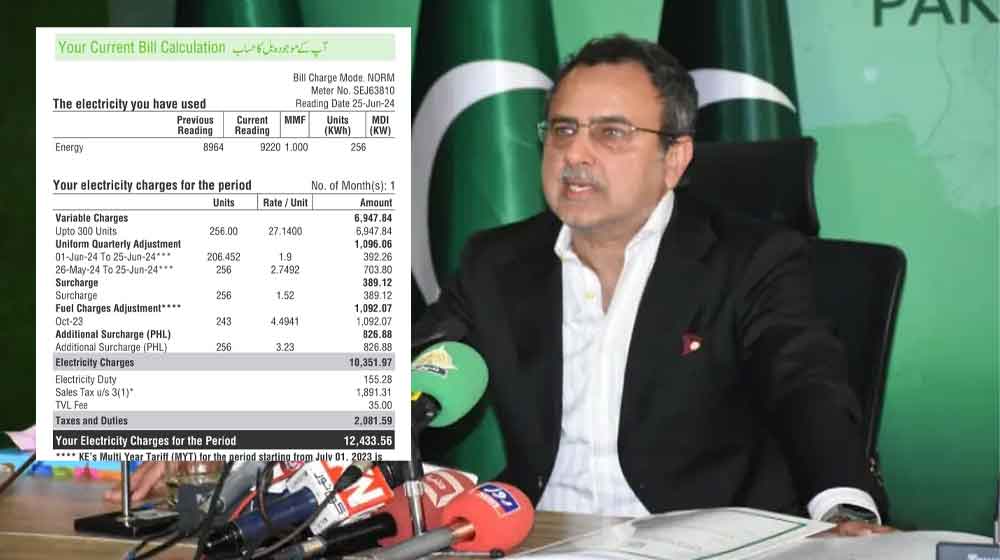
Load shedding math revealed by Power Minister Awais Leghari on Thursday. The federal minister finally explained how the government determines power cuts. Every 500 to 600 megawatts of electricity deficit creates one hour of load shedding. Pakistan currently faces 6 to 7 hours of daily blackouts. The math adds up perfectly. A deficit of roughly 3,400 megawatts drives these extended cuts.
Multiple constraints hit the national grid simultaneously. LNG power plants tell the most shocking story. These plants have a combined generation capacity of 6,000 megawatts. They currently produce only 500 megawatts. Fuel supply disruptions linked to regional conditions caused this collapse. Hydropower output also dropped compared to last year. Lower water flows mean less electricity from dams. Two major sources failed at the same time.
Load shedding math revealed a grim picture for furnace oil plants too. The government uses them to bridge the gap. But oil-based generation cannot solve a 3,400 MW shortfall alone. The supply-demand gap keeps widening. Fuel constraints limit every option. Regional conditions remain outside Pakistan’s control. Leghari urged consumers to reduce electricity usage immediately. External factors drive this crisis.
The minister did not promise a quick fix. He simply explained the brutal reality. Every 600 MW deficit equals one hour without power. Pakistan needs 3,400 MW more than it can make. Simple division gives 5.6 to 6.8 hours of cuts. Citizens finally understand the numbers behind the darkness.