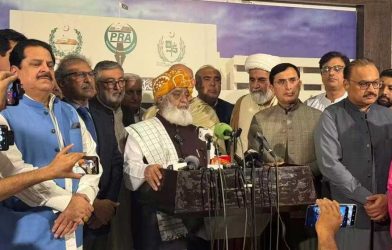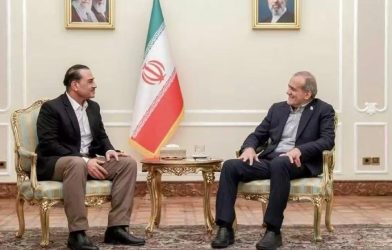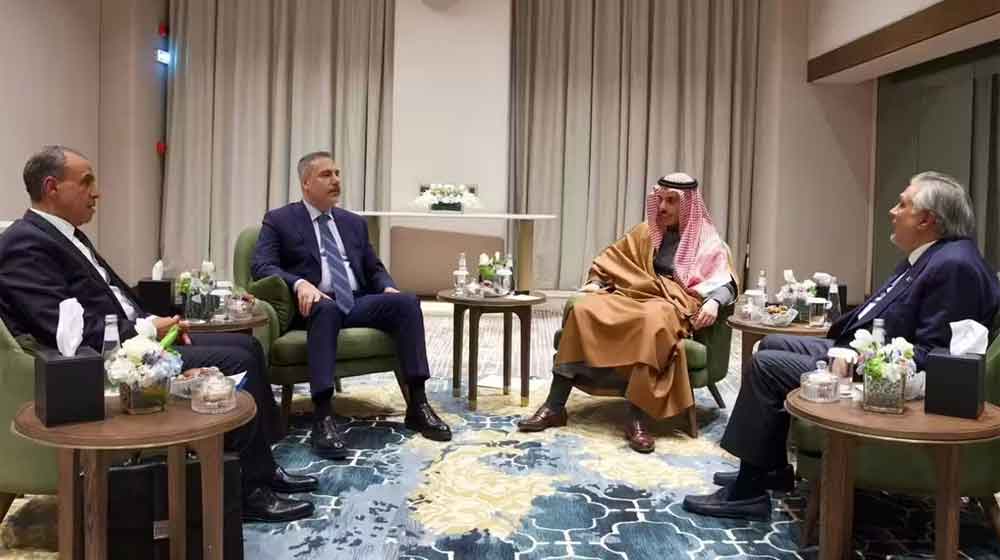
The Pakistan Middle East talks mark a significant step in regional diplomacy as Islamabad hosts key leaders to address rising tensions. Pakistan has invited foreign ministers from Saudi Arabia, Turkey, and Egypt for high-level discussions. As a result, the country is positioning itself as an active player in efforts to ease geopolitical strain.
The Foreign Office confirmed that Ishaq Dar invited his counterparts for meetings scheduled in Islamabad. These talks will focus on de-escalating tensions and promoting stability across the Middle East. Moreover, the visiting ministers will also meet Prime Minister Shehbaz Sharif to strengthen diplomatic coordination.
Pakistan Middle East Talks Focus on Regional Stability
Looking forward to welcoming my brother Foreign Ministers of Saudi Arabia, Türkiye, and Egypt to Islamabad.@FaisalbinFarhan @HakanFidan @mfaEgypt pic.twitter.com/3LLsJyUobv
— Ishaq Dar (@MIshaqDar50) March 28, 2026
The visiting officials include Faisal bin Farhan Al Saud, Hakan Fidan, and Badr Abdelatty. They will hold detailed discussions on reducing tensions and improving regional cooperation. In addition, they aim to explore joint diplomatic strategies to address ongoing conflicts.
Meanwhile, the Middle East faces growing instability due to ongoing conflicts and geopolitical pressure. These tensions have raised concerns about energy supply and global economic stability. Therefore, countries like Pakistan are increasing diplomatic efforts to support dialogue and peaceful solutions.
Pakistan has already strengthened its outreach in recent weeks. It continues to coordinate with regional and international partners to promote stability. Furthermore, its strong ties with these nations support this initiative. The country maintains energy cooperation with Saudi Arabia, growing trade and defence links with Turkey, and long-standing relations with Egypt through platforms like the Organisation of Islamic Cooperation.
Finally, the Pakistan Middle East talks highlight a united diplomatic effort among key nations. As tensions continue, such collaborations can help create a path toward stability and long-term peace in the region.