The US Iran peace deal brokered by Pakistan sends oil prices tumbling as the Strait of Hormuz prepares to reopen
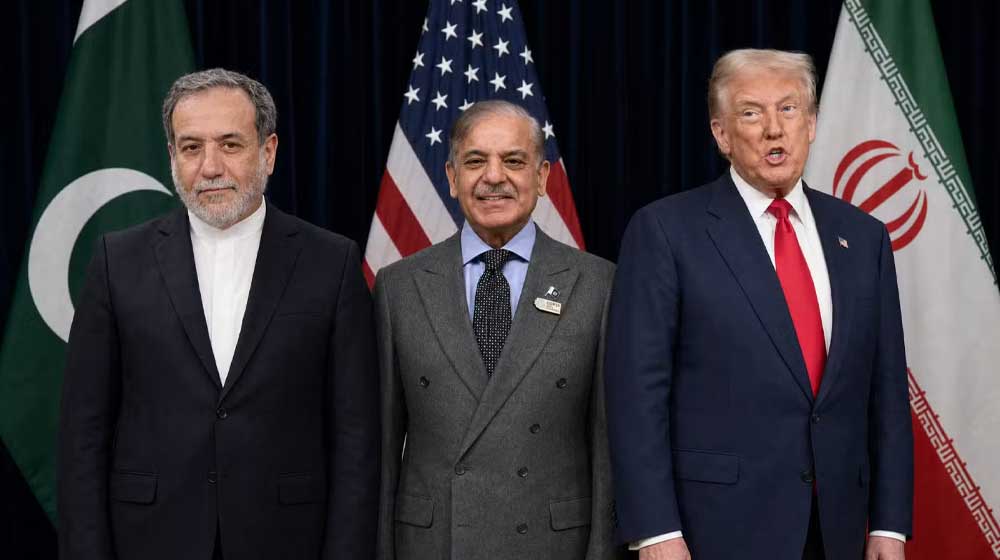
Pakistan has pulled off one of the most significant diplomatic achievements in recent memory. Prime Minister Shehbaz Sharif announced on Monday that a peace agreement between the United States and Iran had been reached following intensive negotiations led by Islamabad and regional partners.
Global markets reacted instantly. Brent crude dropped around 4 percent to $83.81 per barrel in early Asian trading. Meanwhile, US benchmark crude fell nearly 5 percent to $80. The sharp decline reflected immediate investor relief at the end of months of geopolitical tension.
The terms announced so far are significant. Both sides agreed to an immediate and permanent cessation of military operations across all fronts, including Lebanon. Additionally, a formal signing ceremony will take place in Switzerland on June 19, giving the agreement an official international stage.
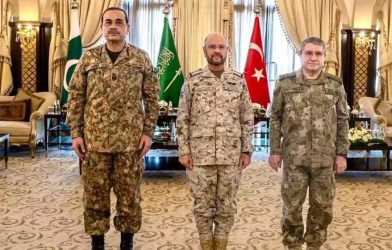
Prime Minister Shehbaz Sharif thanked the United States and Iran for choosing diplomacy over continued conflict. He also acknowledged the critical support of Qatar, Saudi Arabia, and Türkiye in helping secure the breakthrough. Together, these regional players provided the diplomatic scaffolding that made the agreement possible.
Confirmation came from multiple sides simultaneously. Iranian Deputy Foreign Minister Kazem Gharibabadi confirmed that both sides had finalized an agreement. Furthermore, US President Donald Trump welcomed the development with a characteristically direct post — “Let the oil flow!”
The US Iran peace deal has raised strong expectations around the Strait of Hormuz. The narrow waterway normally handles roughly one-fifth of global oil and liquefied natural gas shipments. Escalating hostilities between the US, Israel, and Iran had effectively shut it down, triggering fears of prolonged supply disruptions and driving energy prices significantly higher.
However, a full return to normal shipping through the strait will not happen overnight. Security clearances, possible mine removal operations, and a backlog of waiting oil tankers all stand between the announcement and actual resumption of traffic. Therefore, oil markets may remain somewhat volatile even as the broader situation improves.
Political reactions are also mixed. Pro-Israel US Senator Lindsey Graham welcomed reports of the Strait of Hormuz reopening. Still, he said Congress would closely review any final agreement involving Iran’s nuclear program. Notably, the peace deal makes no mention of Iran’s nuclear program — a gap that could complicate ratification debates in Washington.
For Pakistan, this moment carries enormous significance. Islamabad positioned itself as the primary mediator in one of the world’s most dangerous conflicts and delivered results. Moreover, this successful conclusion cements Pakistan’s standing as a serious diplomatic actor on the global stage.