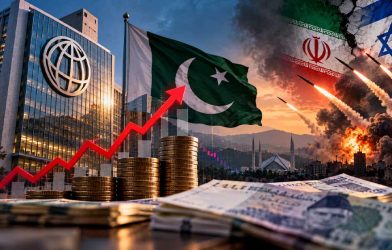


The federal government of Pakistan has officially permitted exporters to ship food and pharmaceutical products to Iran via land routes. This decision facilitates Pakistan-Iran land trade without the need for mandatory banking instruments. This strategic move by the Ministry of Commerce ensures the smooth flow of essential goods as maritime routes become uncertain. Furthermore, the government now allows the export of rice to Central Asian Republics and Azerbaijan through the Iranian land corridor.
Key Export Items and Exemption Period
The government has granted a three-month exemption for a specific list of 12 items. This period runs from March 24 to June 21, 2026. Consequently, this temporary relief allows traders to bypass formal financial channels that international sanctions currently constrain.
- Food Items: Rice, seafood, potatoes, meat, onions, maize, citrus fruits, bananas, tomatoes, and frozen chicken.
- Non-Food Items: Pharmaceutical products and tents.
Overcoming Financial and Regulatory Hurdles
This move represents a routine extension of relaxations intended to support Pakistan-Iran land trade in the absence of formal banking links. Since 2016, the State Bank of Pakistan has required formal financial instruments for all external trade to meet FATF standards. However, this requirement significantly disrupted regional commerce.
- Repatriation Requirement: Exporters must still submit a legal undertaking despite the banking exemption. This document ensures that all export proceeds return to Pakistan within the required timeframe.
- Barter Trade System: Pakistan continues to utilize a distinct barter system. This arrangement allows for the exchange of goods and effectively bypasses currency settlements blocked by global sanctions.
- Legal Background: The government began providing these rolling three-to-six-month exemptions after a court-ordered stay on banking requirements ended in late 2024.
Strengthening Border Infrastructure
To improve documentation and curb smuggling, Pakistan is rapidly expanding its border infrastructure. These new stations aim to transition informal trade into the formal economy. For instance, the new Jeerak Customs Station in Panjgur now serves as the fifth major crossing point.
Moreover, this follows the successful launch of the Kohak Cheedgi crossing in January 2025. These initiatives provide regulated and accessible routes for local traders. By opening these gateways, the government ensures that essential products reach regional markets and strengthens the future of Pakistan-Iran land trade.