
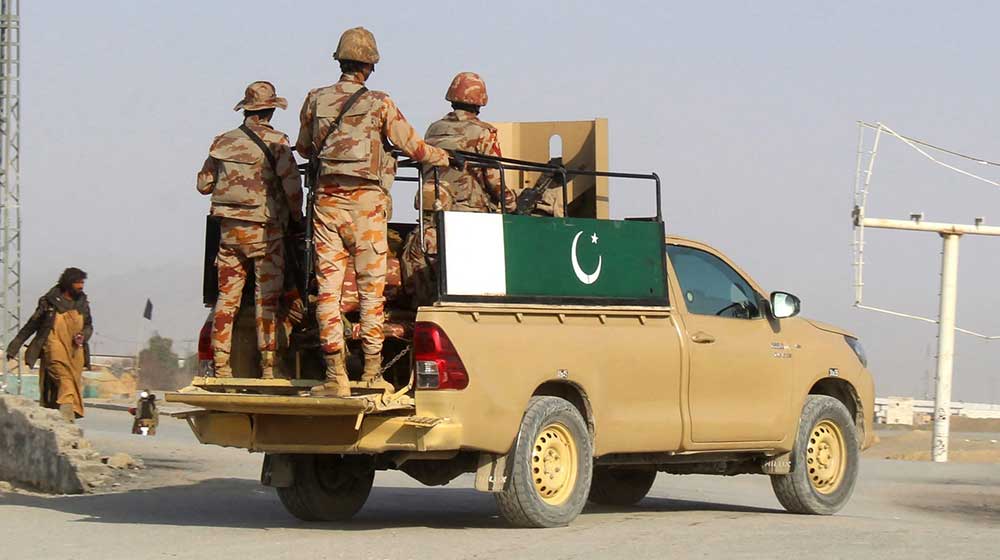
Operation Ghazab Lil Haq (also spelled Ghazab-ul-Haq or Ghazab lil-Haq) is an ongoing Pakistan Armed Forces military offensive launched against Afghan Taliban positions and associated militant infrastructure along the Pakistan-Afghanistan border (Durand Line) and deeper inside Afghan territory.
When and Why It Was Launched
The operation began late on 26 February 2026 (Thursday night into early Friday morning) following what Pakistani officials described as repeated unprovoked cross-border firing and aggression by Afghan Taliban forces. Attacks originated from Afghan territory targeting multiple Pakistani border sectors, including Chitral, Khyber, Mohmand, Kurram, Bajaur, North Waziristan, Chaman, and others.
Pakistan’s Defence Minister Khawaja Asif and Information Minister Ataullah Tarar stated that Islamabad’s patience had run out after months of provocations and the use of Afghan soil by Tehreek-e-Taliban Pakistan (TTP / “Fitna al-Khawarij”) terrorists to launch attacks inside Pakistan. Officials framed the operation as a defensive and retaliatory measure to restore deterrence, neutralise threats, and punish border violations — not an invasion or attack on Afghan civilians. Some Pakistani statements referred to the situation as an “open war.”
DG ISPR Lieutenant General Ahmed Sharif’s briefing on Operation #GhazabLilHaq
— Pakistan Armed Forces News 🇵🇰 (@PakistanFauj) February 27, 2026
🔴274 Afghan terrorists Eliminated
🔴Over 400 Terrorists injured
🔴73 Afghan posts destroyed
🔴18 Afghan Posts captured
🔴115 tanks, APC’s, vehicles destroyed #Pakistan #Afghanistan #ISPR pic.twitter.com/tVWOgTE9VJ
Meaning of the Name
“Ghazab Lil Haq” is an Arabic phrase officially translated by Pakistani sources as:
- “Wrath for the Truth”
- “Fury for the sake of justice”
- “Righteous Fury” or “Wrath for Justice”
The name was deliberately chosen to reflect Pakistan’s position that the strikes are a justified, proportionate response to aggression rather than unprovoked hostility.
What the Operation Involves
- Air and ground strikes by Pakistan Army, Air Force, and paramilitary forces.
- Precision targeting of Afghan Taliban military posts, brigade and battalion headquarters, ammunition depots, checkposts, tanks, artillery, and TTP-linked compounds.
- Strikes reported in Afghan provinces including Kabul, Kandahar, Paktia, Nangarhar, Khost, Paktika, Helmand and multiple border sectors (including the Arandu and Kurram areas mentioned in the Tribune article you shared earlier).
- Ground forces have crossed fencing in some sectors to clear posts, leading to Afghan Taliban fighters abandoning positions and fleeing.
Pakistan claims the operation is strictly targeted — civilian areas and populations are not being hit.
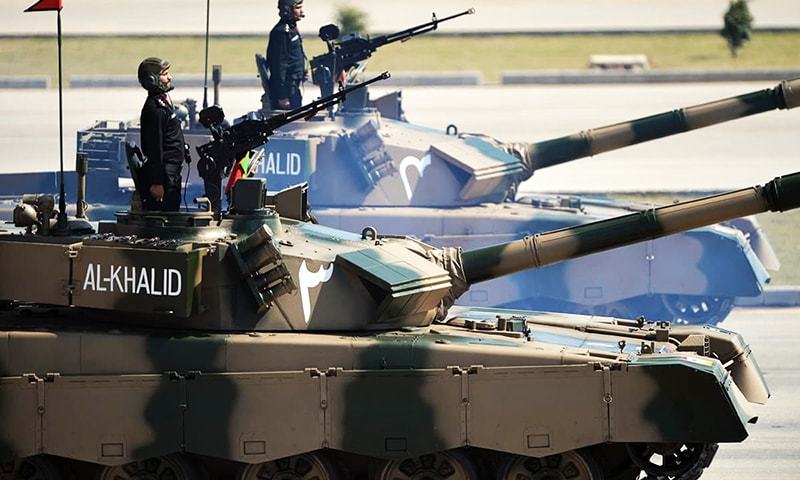
Current Status (as of 11 March 2026)
The operation is still ongoing and will continue “until its objectives are fully achieved,” according to security sources and ISPR-linked statements. Pakistani authorities report:
- Hundreds of Afghan Taliban fighters killed (figures range from 130+ in initial days to 583 claimed killed and 795+ injured by early March).
- Over 240 checkposts and 64+ locations destroyed.
- Significant destruction of Afghan Taliban military infrastructure (e.g., 205 Corps HQ in Kandahar, various brigade posts).
Afghan Taliban sources have disputed casualty figures and accused Pakistan of aggression, while independent verification remains limited amid the fog of conflict.
HUMILIATION AT THE UNITED NATIONS 🇵🇰
— Salman. (@TsMeSalman) March 10, 2026
A Pakistani representative to an Indian counterpart,
"We understand your pain. It's tough watching years of funding and nurturing terrorist proxies in Afghanistan get wiped out by Pakistan's precise strikes."pic.twitter.com/HwZSr08S51
Broader Context
This is the latest and most intense escalation in long-standing Pakistan-Afghanistan border tensions. Pakistan has repeatedly accused the Taliban regime of sheltering anti-Pakistan militants (especially TTP), while the Afghan side complains about Pakistani operations inside its territory. The operation follows earlier Pakistani airstrikes in February 2026 targeting TTP/ISKP camps.
In short: Operation Ghazab Lil Haq is Pakistan’s largest and most sustained military response in years to what it calls Afghan-sponsored cross-border terrorism — executed under a name that symbolises righteous retaliation and justice.