Government employees pay raise demand of 200% lands ahead of Budget 2026-27 as clerks association plans Islamabad protest to force government action
Government employees pay raise demand of 200% lands ahead of Budget 2026-27 as clerks association plans Islamabad protest to force government action
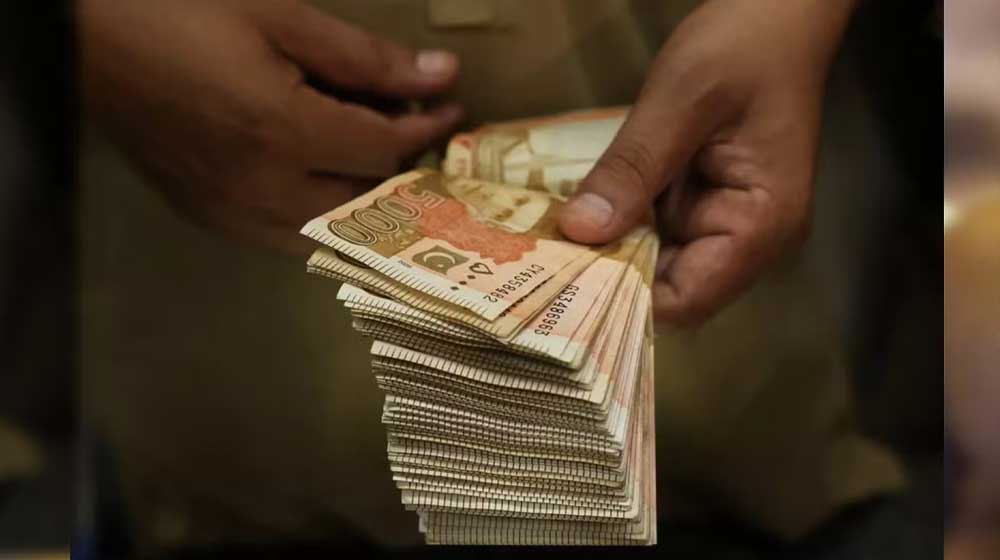
Pakistan’s government clerks are done waiting. The All Pakistan Clerks Association submitted a six-point charter of demands ahead of Budget 2026-27. It calls for a 200 percent salary increase and a 500 percent rise in house rent, medical, and other allowances. The government employees pay raise demand reflects deep frustration across the public sector. Moreover, the association announced a protest in Islamabad on June 2 to push the government before the budget announcement.
The numbers are striking. A 200 percent salary increase would triple current pay. A 500 percent allowance hike would multiply existing benefits sixfold. Furthermore, APCA leaders argue that neither figure is unreasonable. Inflation has severely eroded public servants’ purchasing power over recent years. Therefore, what sounds dramatic is, the association insists, simply a long-overdue correction.
APCA also pushed back against privatisation. The association specifically urged the government to abandon plans to privatise public-sector institutions. That demand adds a political dimension beyond pay. Furthermore, it signals that government workers see the budget as a moment to resist structural change, not just secure better wages.
Authorities in Islamabad have reportedly started security preparations ahead of the planned protest. That suggests the gathering could draw large numbers from across the country. Therefore, the government faces pressure on two fronts — financial demands inside the budget room and a public demonstration outside it.
Pakistan’s budget season regularly triggers salary debates. However, the scale of APCA’s demands this year is unusually bold. Finally, how the government responds will send a clear signal about its priorities for the country’s millions of public servants.
The numbers in the demand are striking. A 200 percent salary increase would triple current pay. A 500 percent allowance hike would multiply existing benefits sixfold. Furthermore, APCA leaders argue that neither figure is excessive given how severely inflation has eroded the purchasing power of public servants over recent years. Therefore, what sounds dramatic on paper, the association frames as a basic correction for years of neglect.
The association also pushed back against privatisation plans. APCA specifically urged the government to abandon any moves to privatise public-sector institutions. That demand adds a political dimension to what might otherwise appear a straightforward pay dispute. Furthermore, it signals that government employees see the budget as a moment to resist structural changes to the public sector, not just secure better wages.
Authorities in Islamabad have reportedly begun security preparations ahead of the planned protest. That development suggests the gathering could draw significant numbers from across the country. Therefore, the government faces pressure on two fronts — financial demands in the budget room and a public demonstration outside it.
Pakistan’s budget season regularly triggers salary revision debates. However, the scale of APCA’s demands this year is unusually bold. Finally, whether the government meets, negotiates, or ignores these demands will send a clear signal about its priorities for the country’s four million-plus public servants.