The Punjab restaurant digital payment tax climbs from 5% to 8% under the new Finance Bill while cash payments face a much steeper rate
Eating out in Punjab is getting slightly more expensive. The Punjab government has proposed a revised sales tax regime for restaurants in the Punjab Finance Bill 2026. Under the new framework, digital payments at restaurants will attract a higher tax rate than before.
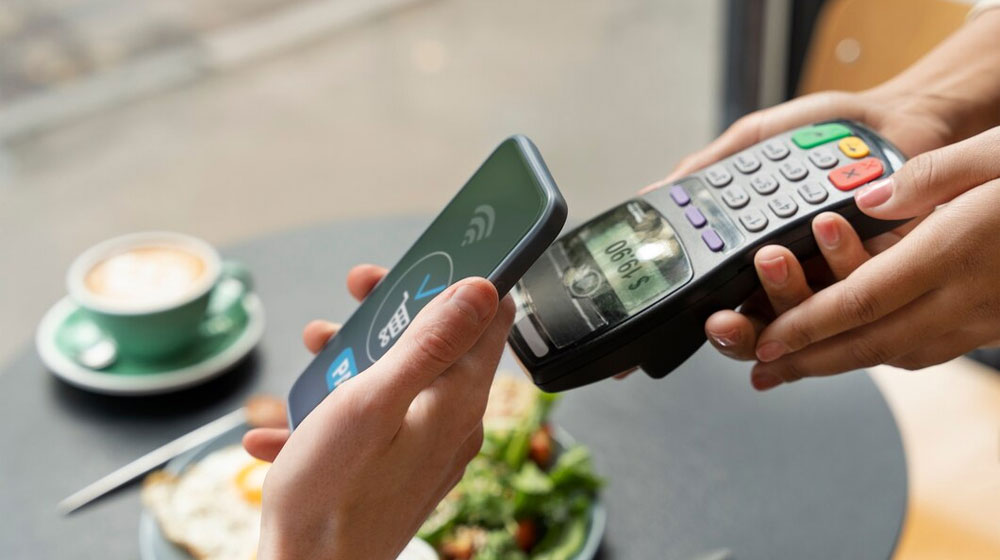
Specifically, payments made through debit cards, credit cards, mobile wallets, or QR codes will now face an 8 percent sales tax. That is up from the existing 5 percent rate. Therefore, anyone paying their restaurant bill digitally will see a modest but noticeable increase in their total cost.
However, the contrast with other payment methods is significant. All non-digital payment methods will attract a 16 percent tax rate. This gap is clearly intentional. The Punjab government wants to push restaurant transactions toward documented digital channels while still keeping the Punjab restaurant digital payment tax lower than the rate applied to informal payment methods.
The logic behind the two-tier structure makes sense from a revenue and documentation perspective. Lower taxes on digital payments incentivize customers and restaurants to transact formally. Furthermore, formal transactions create a paper trail that helps the government track restaurant sales and ensure accurate tax collection.
Additionally, the proposed change is expected to generate meaningful additional revenue for the provincial government. The restaurant sector has historically been difficult to document fully. Many establishments underreport sales, particularly when customers pay in cash. Therefore, the tax differential creates a financial incentive to shift toward digital payments across the board.
Still, raising the digital payment rate from 5 percent to 8 percent does remove some of the attractiveness of the lower tier. Consumers who switched to card and wallet payments partly because of the tax advantage may feel the pinch. Moreover, restaurants that actively promoted digital payments to attract cost-conscious diners will need to reassess their messaging.
The Finance Bill 2026 still needs to clear the legislative process before these changes take effect. If approved, the new rates will reshape how Punjab’s restaurant industry prices and documents its transactions going forward.