Biogas bags Pakistan trend grows as households seek affordable alternatives amid worsening gas load-shedding across the country
Pakistan’s gas crisis is pushing households toward unconventional solutions. Biogas bags are gaining traction across the country as an alternative energy option that converts kitchen waste into usable cooking fuel. The biogas bags Pakistan trend offers partial but meaningful relief to families struggling with prolonged gas load-shedding. Moreover, early adopters say the technology delivers real daily value despite its limitations.
In Karachi, businessman Muhammad Uzair installed a 2-cubic-meter biogas bag at his home around one and a half years ago. The system cost him approximately Rs. 135,000. Furthermore, it produces gas for nearly one to two hours daily. That output significantly reduces his household’s dependence on natural gas during load-shedding periods. Therefore, for a family spending hours without gas each day, the system delivers genuine relief.
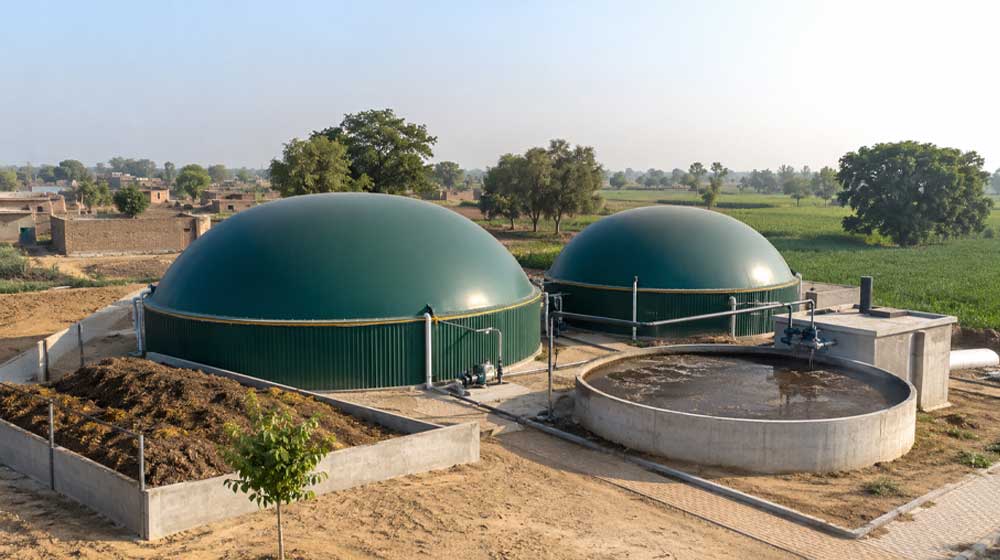
The process is straightforward. Daily kitchen waste feeds into the biogas bag. A natural chemical process then produces methane gas inside the bag. Furthermore, the gas passes through a filter to remove odour before flowing through pipelines to the kitchen. Therefore, the end product is clean, usable cooking fuel generated entirely from household waste.
The system also produces organic fertilizer as a bonus. Depending on the amount of waste used, households can generate around 30 to 40 litres of fertilizer weekly. That output suits gardening and small-scale agricultural use. Additionally, modern domestic biogas bags include safety mechanisms to manage methane’s flammability. Excess gas automatically releases and dissolves in water through a controlled system.
Energy specialists, however, urge realistic expectations. Biogas bags suit partial energy needs and small-scale domestic use. They cannot fully replace conventional gas supplies for most households. Furthermore, installation costs, space requirements, and maintenance demands continue to limit wider adoption.
Still, interest is clearly growing. Finally, as gas shortages deepen and energy costs rise, more Pakistani households may find that turning waste into fuel is not just eco-friendly — it is economically sensible too.