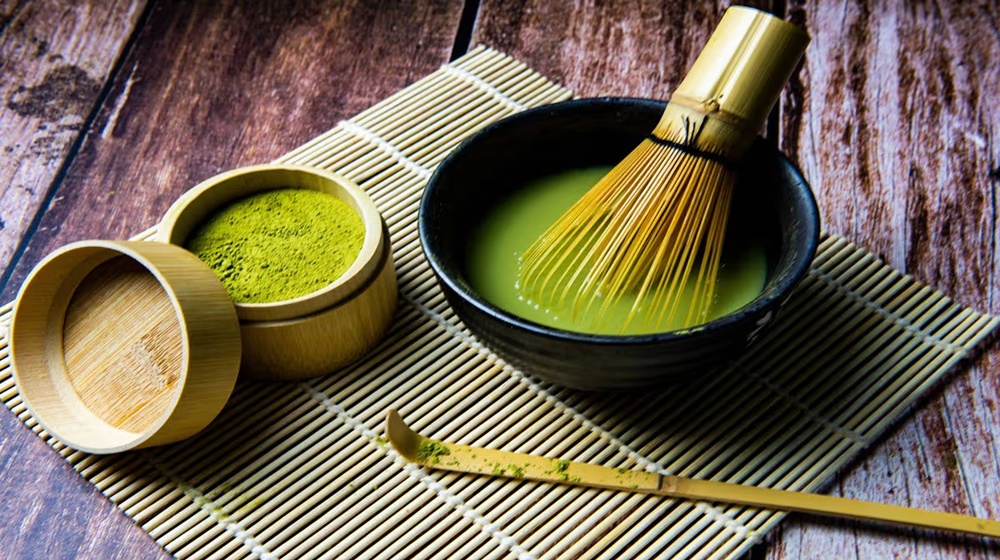
Matcha study suggests relief from sneezing during allergy season as new research highlights its potential benefits. Scientists have found that compounds in matcha may help reduce sneezing linked to allergies. As a result, the findings offer fresh hope for people seeking simple ways to ease seasonal discomfort.
The study, published in NPJ Science of Food, was conducted by researchers at Hiroshima University. Led by Osamu Kaminuma, the team explored how matcha affects allergy-like reactions. They discovered that matcha reduced brain activity associated with sneezing without disrupting normal immune responses.
Moreover, the researchers observed that mice given matcha extract sneezed significantly less when exposed to allergens. Interestingly, the treatment did not affect key immune system components such as IgE, mast cells, or T cells. Instead, it appeared to target the brainstem signals responsible for triggering the sneezing reflex.
Experts also pointed to key compounds in matcha that may explain these effects. These include catechins, epigallocatechin gallate, and quercetin, which are known for their anti-inflammatory properties. According to Catherine Monteleone, these compounds may help reduce symptoms like sneezing, itchy eyes, and nasal irritation.
However, specialists urge caution when interpreting the findings. Keri Gans noted that the research was conducted on animals, so human studies are still needed. Similarly, Sebastian Lighvani described the results as promising but emphasized that more evidence is required before drawing firm conclusions.
Matcha study suggests relief from sneezing during allergy season, but doctors stress it should not replace standard treatments. Experts recommend moderate consumption and continued use of prescribed medications when necessary. Ultimately, while matcha shows potential, further research will determine its true role in allergy care.