

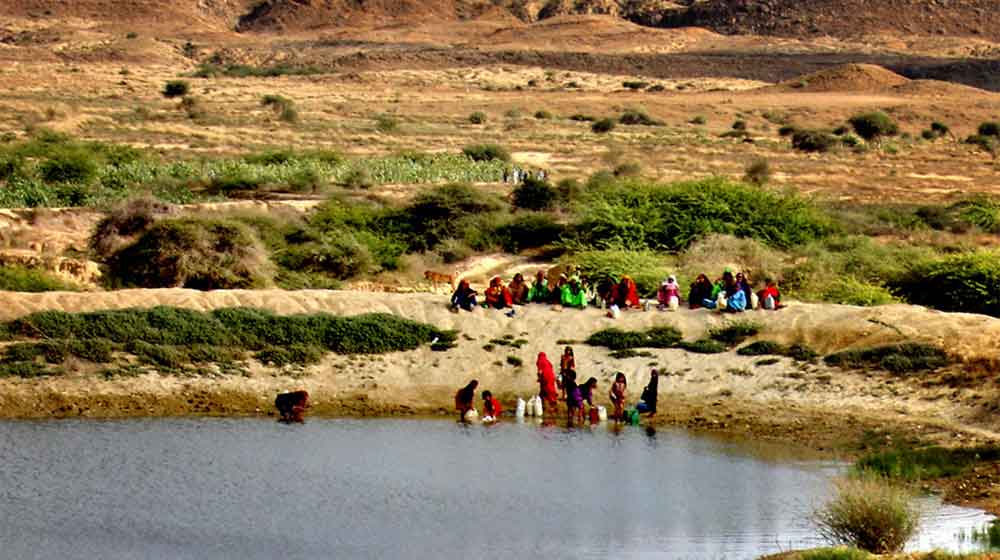
The World Bank will provide a $300 million funding package to the Government of Sindh for a major public health initiative. This project aims to expand access to safe water supply, sanitation, and hygiene services across the province’s rural landscape. Formally titled the Sindh Transformational Accelerated Rural WASH Services, the program expects final approval this September. This World Bank loan serves as a vital intervention for regions currently lacking basic infrastructure. By focusing on sustainable service delivery, the government hopes to create a permanent solution for water scarcity and poor hygiene in neglected areas.
Impact and Funding of the World Bank Loan Project
This initiative will directly benefit approximately 2.5 million people living in 16 out of 23 rural districts. Planners have specifically targeted areas with high poverty rates where professional water management is most needed. The World Bank loan consists of $200 million in concessional financing and an additional $100 million in traditional development funds. Furthermore, the Asian Development Bank plans to contribute $100 million, raising the total project budget to $550 million. This massive financial pool will fund integrated water systems and modern waste management facilities to ensure long-term public health improvements.
Addressing water quality is a primary goal, as current data shows that 90 percent of rural households consume contaminated water. These high levels of E. coli bacteria highlight dangerous gaps in existing sanitation and hygiene practices. To combat this, the project will build robust infrastructure supported by professionally managed services. Officials believe that an integrated approach is the only way to reduce waterborne diseases effectively. By modernizing these systems, Sindh can significantly improve the quality of life for its most vulnerable citizens. As the September approval date approaches, the province prepares for a major shift in its rural development strategy.