
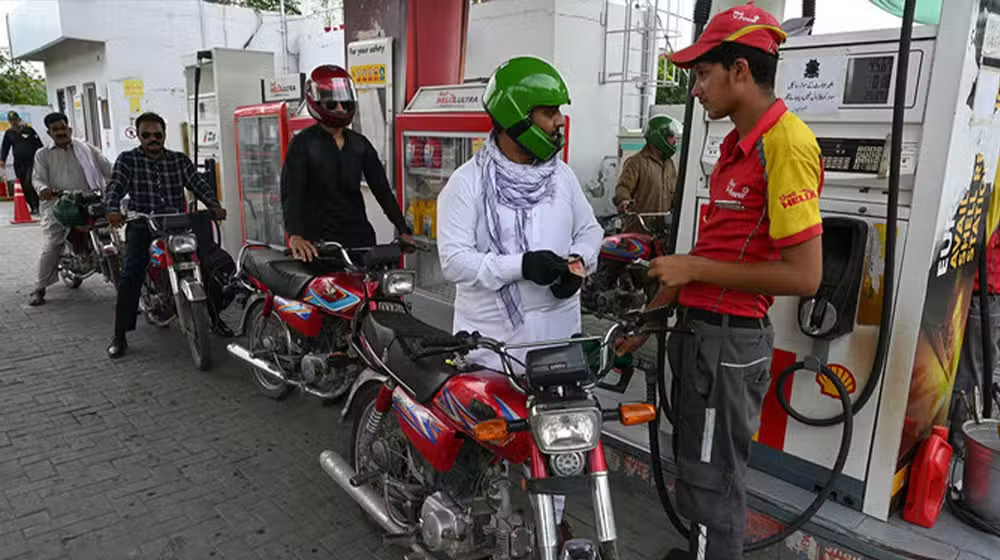
Pakistan has officially emerged as the second most fuel-unaffordable nation in the world when measured against average income levels. This development follows a record-breaking hike on Thursday, April 2, 2026, which saw the government raise the cost of motor spirit by a staggering amount. Consequently, the fuel price in Pakistan now sits at Rs. 458.40 per litre, pushing the financial strain on the average citizen to a breaking point.
In terms of global affordability, only Ethiopia currently ranks worse than Pakistan. In that nation, daily wages average around $1.50 while petrol stays between $1.40 and $1.80 per litre. However, critics on social media platforms like X have pointed out a significant geographical difference. While Ethiopia is a landlocked nation that must transport oil thousands of kilometers by road, the high fuel price in Pakistan exists despite the country having its own seaports. Moreover, Pakistan produces roughly 18% of its petroleum requirements locally, which traditionally provides a logistical advantage.
The federal government revealed the massive increase during a tense press conference in Islamabad. During the event, the Finance Minister explained that the national fiscal position can no longer support energy subsidies. Furthermore, this latest adjustment to the fuel price in Pakistan includes a historic jump for high-speed diesel. This specific fuel rose by Rs. 184.49 to reach a new high of Rs. 520.35 per litre. Ultimately, officials attribute these record numbers to the ongoing conflict in the Middle East and the effective closure of the Strait of Hormuz.
The real crisis for the public lies in the widening gap between energy costs and stagnant purchasing power. Indeed, while authorities have raised the fuel price in Pakistan in four out of the last six weekly reviews, salaries across most sectors have remained flat. Additionally, industry experts note that the government hiked the petroleum levy on petrol to a record Rs. 161 per litre. Although this strategy aims to meet international financial requirements, it draws sharp criticism from the business community.
Because high-speed diesel crossed the Rs. 520 mark, the cost of transporting food and essential goods will likely skyrocket. As a result, this surge will trigger a new wave of inflation across the entire country. While the government discussed a small relief plan for motorbike owners, many analysts argue it is not enough to offset the broader economic shock. Since regional tensions show no signs of easing, the Pakistani public is now bracing for a very difficult month ahead.