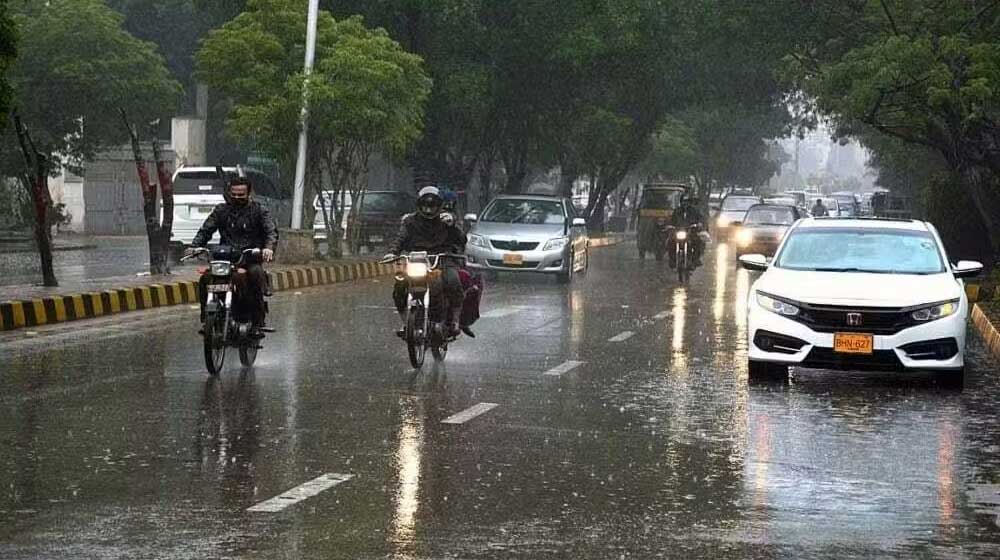
The Pakistan Meteorological Department has issued a comprehensive weather advisory notifying the public that heavy rains are expected all over Pakistan from the evening of March 24 through March 30. A potent western disturbance is forecasted to enter southwestern Balochistan initially, before intensifying significantly by the night of March 27 and persisting until the end of the month. This weather system will bring varying intensities of precipitation to all provinces, with the Met Office warning of potential flash floods, landslides, and damage to infrastructure from strong winds and lightning.
In Balochistan, heavy falls and isolated hailstorms are anticipated in districts including Quetta, Gwadar, and Kech, with a high risk of flash flooding in local streams from March 25 to 28. Similarly, Sindh is expected to experience intermittent rain and thunderstorms, with Karachi, Hyderabad, and Sukkur likely seeing activity on March 25 and 26, and again over the weekend. Authorities have been advised to remain vigilant as windstorms and lightning could damage weak structures such as electric poles, solar panels, and billboards.
The northern regions, including Khyber Pakhtunkhwa, Gilgit-Baltistan, and Kashmir, are bracing for widespread rain and snowfall over the mountains. The Met Office has specifically highlighted the risk of landslides in vulnerable hilly areas during this period, particularly as the system intensifies toward the end of the week. In Punjab and the federal capital, Islamabad, rain-wind and thunderstorms are forecasted to occur in two distinct waves, with the second, more significant wave arriving on the evening of March 28 and lasting through March 30.
Farmers in Punjab and Sindh have been urged to manage their standing crops proactively, especially since heavy rains are expected all over Pakistan and could lead to significant waterlogging in agricultural fields. Furthermore, tourists and travelers are advised to exercise extreme caution and avoid unnecessary movement in mountainous areas where weather conditions can shift rapidly. Local administrations across the country remain on high alert to mitigate the impact of urban flooding and ensure public safety as this prolonged weather system moves through the region.