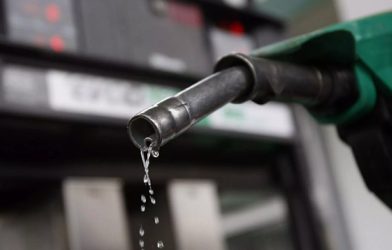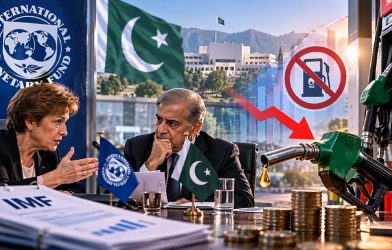

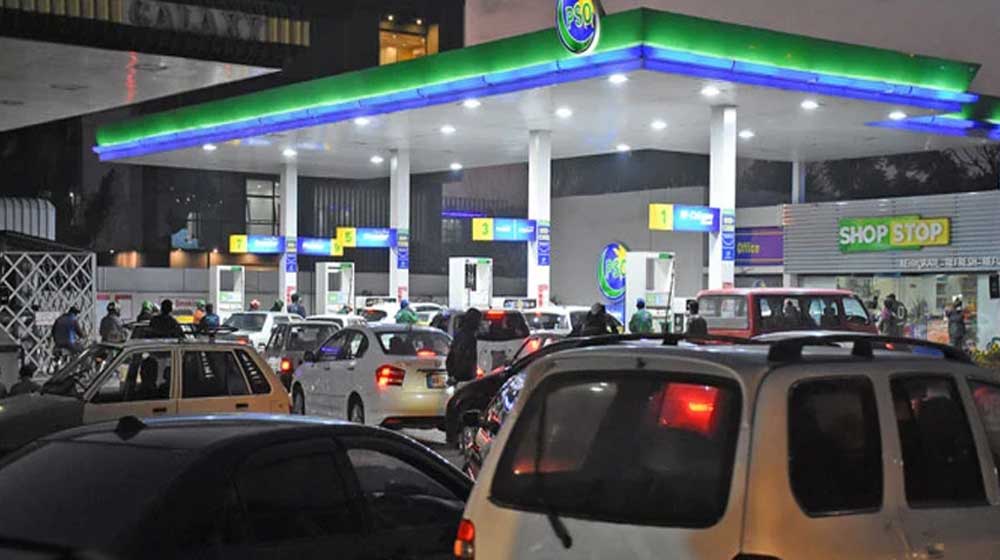
In a major development on March 23, 2026, Prime Minister Shehbaz Sharif approved High Octane Price Hike in Pakistan, a significant Rs200 per litre increase in the petroleum levy.The levy has jumped from Rs100 to Rs300–305.37 per litre, pushing the retail price of high-octane fuel to Rs535+ per litre at most pumps (some stations in remote areas showing up to Rs589).
Regular petrol (Euro 5) remains unchanged at Rs321.17 per litre, and High-Speed Diesel stays at Rs335.86 per litre. This targeted hike aims to shift the burden to the affluent segment while protecting the common man from further inflation.
Why Did the Government Hike High Octane Petrol Prices?
The decision was taken during a high-level meeting chaired by PM Shehbaz Sharif amid rising global oil prices due to tensions in the Middle East (Strait of Hormuz concerns).
Key objectives:
- Generate an estimated Rs9 billion per month in additional revenue for public relief measures.
- Avoid any increase in regular petrol or diesel that would affect public transport, rickshaws, taxis, and middle-class commuters.
- Promote austerity by making luxury and high-performance vehicle owners pay more.
This is clearly a “rich pay more” policy — high-octane fuel is mainly used in premium and turbocharged vehicles, not everyday cars.
Current High Octane Petrol Price in Pakistan (March 2026)
- New HOBC Price: Approximately Rs535 per litre (varies by oil company, city, and freight).
- Karachi/Lahore: Around Rs535–590
- Other cities: Slightly higher due to transport costs.
- Regular Petrol: Rs321.17/litre (no change)
- Difference: High-octane is now nearly 67% more expensive than regular petrol.
Note: Unlike regular fuel, Hight Octane prices are not strictly regulated and can differ from pump to pump (PSO, Shell, Total, etc.).
Major Impacts of the High Octane Price Hike
- Minimal Effect on Common People No increase in bus fares, taxi rates, motorcycle running costs, or general inflation for the masses.
- Sharp Rise in Running Costs for Premium & Turbo Cars Owners of high-performance vehicles will see monthly fuel bills jump dramatically. A full tank (60–80 litres) now costs thousands of rupees extra.
- Behavioural Changes Expected
- Reduced driving of luxury/turbo cars
- Some owners may switch to regular petrol (not recommended)
- Possible decline in demand for new turbo SUVs
- Increased interest in hybrid or fuel-efficient vehicles
- Engine Health Risks High-octane (95+ RON) prevents knocking in high-compression and turbo engines. Using regular petrol can cause:
- Engine knocking
- Power loss
- Higher long-term maintenance costs
- Reduced fuel efficiency
- Positive Side for Government Extra revenue will help provide relief to the public without broad-based fuel price hikes.
Which Cars Are Affected by the High Octane Price Hike in Pakistan?
High-octane is strongly recommended or required for modern turbocharged and high-compression engines. It is not limited to ultra-luxury sedans.
Popular Affected Cars in Pakistan (2026):
- Honda Civic RS (1.5L Turbo)
- MG HS (1.5 Turbo)
- Changan Oshan X7 (1.5T)
- Haval Jolion, H6, H9 (1.5T / 2.0T models)
- Proton X70 (1.5 Turbo)
- Kia Sportage (turbo variants)
- Hyundai Tucson (turbo variants)
- Peugeot 2008 (1.2T)
- Chery Tiggo series, Tank 500, and many other Chinese turbo SUVs
- Imported Luxury Cars: Mercedes, BMW, Audi, Porsche, Range Rover, Toyota Land Cruiser (certain models), Lexus, etc.
Not Affected:
- Regular non-turbo cars like Toyota Corolla, Yaris, Suzuki Alto, Cultus, Wagon R, older Honda City, etc.
- Most diesel vehicles
If your car’s owner manual recommends 95 RON or higher, you are affected.
Government Cars & Official Vehicles – Complete Ban on High Octane
In a strong austerity move announced on March 24, 2026, Prime Minister Shehbaz Sharif banned the use of high-octane petrol in all government vehicles with immediate effect.
- Applies to all federal departments, ministries, and attached institutions.
- Government will not pay for High Octane Petrol.
- If any official insists on using premium fuel, they must bear the cost from their own pocket.
- Strict monitoring and disciplinary action against violations.
This saves significant public money, as many official vehicles (Corolla, Hilux, etc.) do not even require high-octane.
What Should Car Owners Do Now?
- Check your manual — Confirm if your engine needs high-octane.
- Calculate new running costs — A 60-litre fill-up now costs much more.
- Drive efficiently — Maintain proper tyre pressure, avoid aggressive acceleration.
- Consider alternatives — Some owners are exploring hybrid options or selling high-thirst vehicles.
- Never compromise on fuel quality for turbo engines — long-term damage can be expensive.
Conclusion
The high octane petrol price hike in Pakistan 2026 is a calculated move to generate revenue from the wealthy without burdening the general public. While regular commuters remain unaffected, owners of turbocharged cars (Honda Civic RS, Haval, MG, Changan, etc.) and luxury vehicles will feel the pinch.
The simultaneous ban on high-octane in government vehicles shows the government’s commitment to austerity. Car buyers in the future may now think twice before opting for turbo engines.
Stay updated with the latest fuel prices and automotive news in Pakistan.