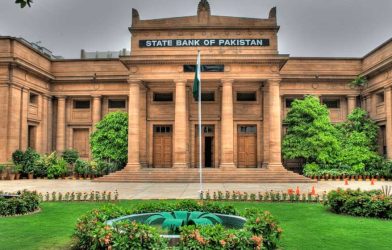


The State Bank of Pakistan (SBP) has issued new rules for banks and development finance institutions (DFIs) on lending to builders and developers. In a circular released on Wednesday, November 18, 2026, the SBP said the goal is to help builders get loans and to increase the number of homes that people can buy with a mortgage.
The new rules replace guidelines issued in April 2014. They also cover real estate investment trusts (REITs), which are funds that collect money from investors to build or own property.
The SBP said that creditworthy builders and developers still find it hard to get bank loans, and that this is a major reason homes aren’t being built fast enough. Demand keeps rising as more people move to cities, especially for affordable homes.
A shortage of 10 million homes
The gap is huge. Pakistan faces a housing deficit exceeding 10 million units, with the shortfall increasing by about 400,000 homes annually amid rapid population growth and expanding urbanisation.
Demand for home loans is already rising fast. According to SBP data compiled by Arif Habib Limited, house building loans reached Rs. 409 billion in October 2026. That was almost double the Rs. 215 billion of a year earlier. The new rules focus on the other side of the market: getting more homes built.
Who can get loans
Banks and DFIs have been asked to set up special teams to grow their lending to builders. This idea isn’t new. Under the 2014 rules, banks were also expected to setup separate units and create requisite capacity to deal with builders’/developers’ financing. sbp
The new framework covers REITs and both public and private builders. Public bodies on the list include the Federal Government Employees Housing Authority, PHA Foundation, and housing authorities and town planning bodies run by provincial and territorial governments. Other government housing bodies can also qualify if they are formally added to the framework.
Tough checks on builders
Builders must hold a valid developer licence from the local building control authority, where one is needed, or have an approved contract from a government authority. Private developers must show a record of completed projects and list their recent ones.
The builder must also clearly own the project land, with no loans, claims or legal charges against it. The value of that land will count as the builder’s own contribution to the project.
Banks can ask for a long list of papers. These include land ownership records, approved building and master plans, permission to mortgage the property, and no-objection certificates (NOCs) for building and selling. Builders may also need clearances from the Civil Aviation Authority and the federal and provincial environmental protection agencies. They must also share a list of their contractors and subcontractors.
Engineers and auditors must sign off
Every project must show it will earn enough money to repay its loans. An engineering firm registered with a body such as the Pakistan Engineering Council must review the project’s technical plan. A reputable audit firm must approve its financial plan, which must cover costs, expected income, economic conditions and the completion date.
For home buyers, this matters even before more homes appear. A project that gets a bank loan under these rules will already have passed checks on land ownership, approvals and finances, which lowers the risk of buying into a project that never gets finished.