
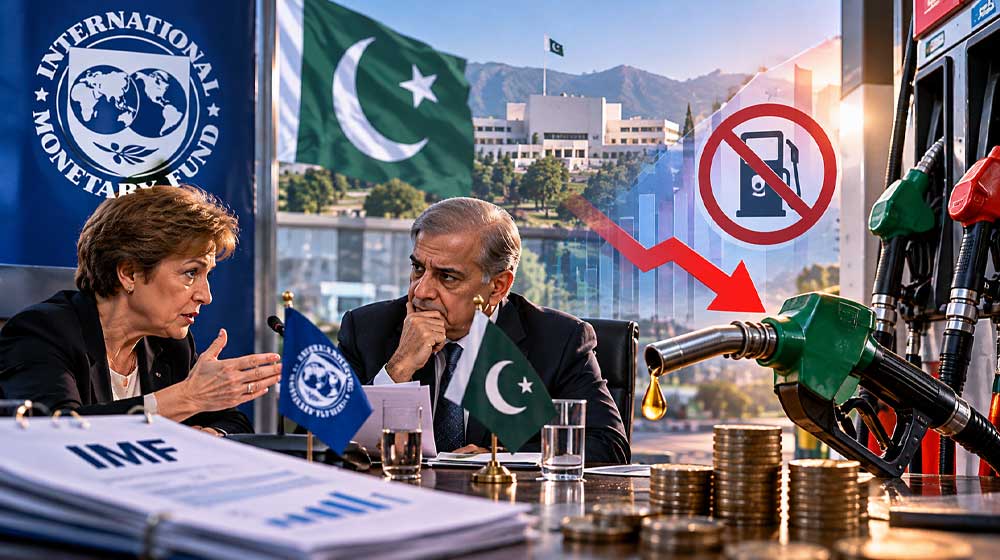
The International Monetary Fund (IMF) has again said Pakistan should phase out its petrol subsidy. An IMF spokesperson told Arab News the fuel support scheme should go “given its broad targeting.” The same call was part of the staff-level agreement reached on October 7, according to the spokesperson.
The IMF wants a gradual withdrawal, not an immediate stop, PhotoNews Pakistan reported. Pakistan’s Finance Minister Muhammad Aurangzeb, State Minister for Finance Bilal Azhar Kayani and Finance Adviser Khurram Schehzad did not reply to Arab News when asked for comment.
What the scheme gives
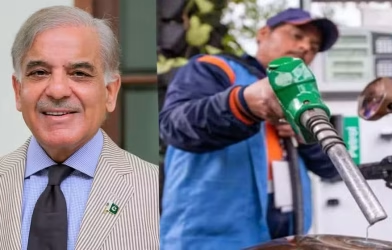
Pakistan launched the scheme in September to protect low-income motorists after petrol prices rose during the US-Iran war. Motorcycle and rickshaw users get petrol vouchers worth Rs. 500 a week, according to PhotoNews. ProPakistani reported that owners of cars up to 800cc get Rs. 100 off per litre on up to 10 litres every 10 days.
At today’s petrol price of Rs. 330 a litre, a Rs. 500 voucher buys about 1.5 litres. Over a month, that adds up to roughly Rs. 2,000 for a rider. The government recently extended the scheme until December 2026, Times of Karachi reported. No end date beyond that has been announced.
Rules for any new relief
If oil prices rise again, the IMF says new support should be limited, time-bound and paid for within the 2026-27 budget, according to Arab News. ProPakistani reported the IMF wants it routed through existing social assistance programmes. Under the $7 billion loan programme, Pakistan has also agreed to let domestic fuel prices follow international rates while protecting the most vulnerable.
The Middle East war and inflation
The IMF spokesperson called the Middle East conflict a significant challenge for Pakistan because it depends on Gulf oil and gas. Inflation was 9.6 percent in October, down from 10.3 percent in September, according to the spokesperson.
The board decision in December
The staff-level agreement still needs approval from the IMF’s Executive Board, expected in December subject to program requirements. ProPakistani reported that approval would release about $1 billion under the $7 billion Extended Fund Facility and $210 million under the Resilience and Sustainability Facility. Total payments would then reach about $5.7 billion.