
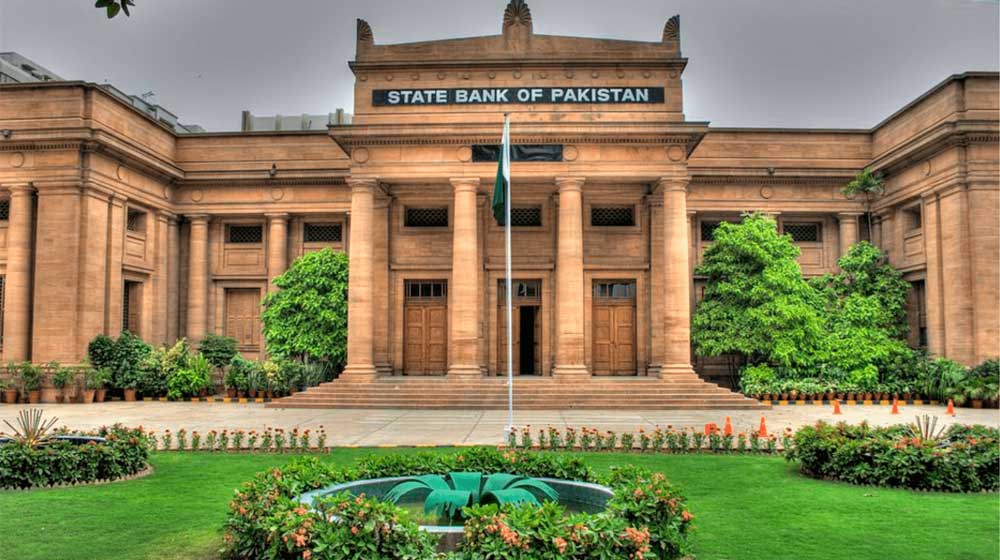
The State Bank of Pakistan (SBP) has raised its main interest rate from 11.5% to 12%, the central bank said in its monetary policy statement on Monday, October 26, 2026. The new SBP interest rate takes effect today, October 27.
This rate, called the policy rate, is the base rate that guides what banks charge on loans and pay on deposits. Nine of the 10 members of the SBP’s Monetary Policy Committee voted for the increase. SBP Governor Jameel Ahmad announced the decision at a press conference in Karachi.
This is the second rise this year. The SBP last raised the rate in April 2026, taking it to 11.5% from April 28 after global oil prices jumped following the Middle East conflict. It then left the rate unchanged in June and July, and again on September 14, 2026.
Why the State Bank acted
Prices are rising faster than the SBP expected. Inflation hit 10.3% in September, according to the statement. Core inflation, which leaves out fast-moving items like food and fuel, stayed high at about 8.4%.
The SBP blamed higher energy and wheat prices. It said the war in the Middle East has worsened, and hopes of it ending soon have faded. It also warned that possible increases in electricity and gas tariffs could push prices up further.
The goal is to stop high fuel and food costs from spreading to everything else. The SBP’s medium-term target for inflation is 5% to 7%. With the rate at 12% and inflation at 10.3%, the gap between them is now 1.7 points. In simple words, money kept in the bank earns only a little more than prices are rising.
What it means for your loan
Many car, home and business loans in Pakistan are linked to KIBOR, the rate banks use to price most loans. KIBOR usually moves with the policy rate. On October 26, the six-month KIBOR offer rate was already 12.45%, above the new policy rate.
Here is a simple way to work out the cost. Every half-point rise adds about Rs. 5,000 a year in interest for each Rs. 1 million you still owe. So someone with Rs. 3 million left on a car loan could pay roughly Rs. 15,000 more a year. The change usually shows up when the loan’s rate resets, often every six months or a year.
Savers may see a small benefit. Bank deposit rates and returns on government savings schemes tend to follow the policy rate upward over time.
Growth, reserves and the IMF
The SBP did not change its growth forecast. It still expects the economy to grow by 3.5% to 4.5% in the year ending June 2027. Factories are slowly recovering, and early estimates for summer crops came in better than expected.
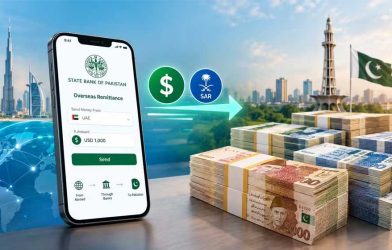
Pakistan spent $874 million more than it earned from trade and services in July to September. The SBP expects this gap to stay small for the full year, helped by exports and money sent home by Pakistanis abroad.
The SBP’s foreign currency reserves stand at about $21.5 billion. That is enough to pay for about three months of imports.
The committee also pointed to Pakistan’s early-stage deal with the International Monetary Fund (IMF), the global lender. It said federal tax collection grew 7% from a year earlier in the first quarter and beat its target by Rs. 33 billion.
The stock market rose 663 points on the day of the decision, Express Tribune reported.
Next decision on December 14
The Monetary Policy Committee will meet again on December 14, 2026. The SBP warned that a bigger war or bad weather could hurt the economy before then.