
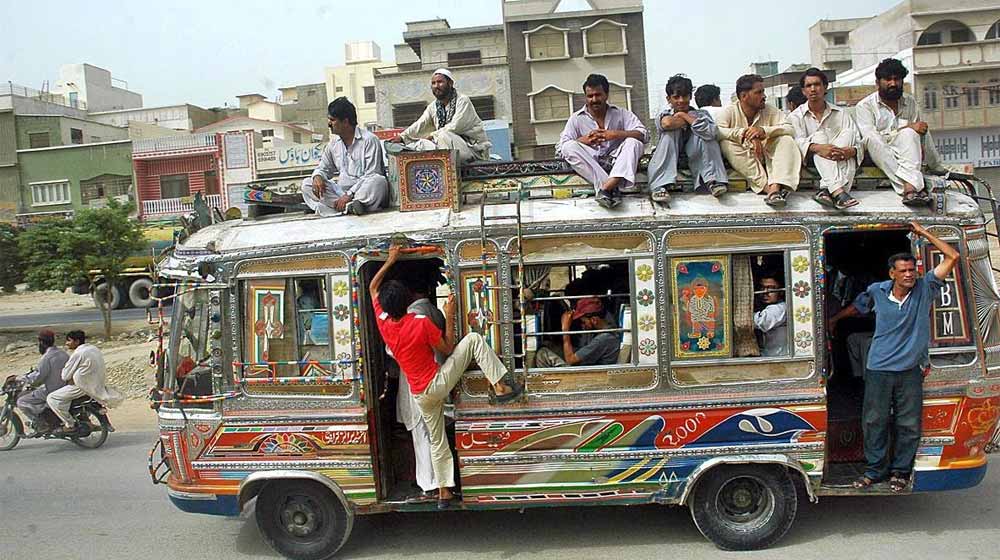
Goods transporters raised freight charges by 15 percent on Tuesday, immediately after a sharp increase in petrol and diesel prices. Local public transport operators followed suit, pushing the minimum stop-to-stop fare from Rs50 to Rs60 across the city and beyond. This transport fare increase has left commuters scrambling to adjust their daily budgets.
Inter-city and inter-district fares climbed by 10 percent, while long-distance routes saw fares rise by 12 percent. Therefore, the additional financial burden now extends well beyond city limits. Meanwhile, higher goods transportation costs have triggered a reported 15 percent rise in the prices of essential commodities and food items. Flour dealers across the district raised delivery charges, resulting in flour prices climbing by up to Rs5 per kilogramme.
The steep rise in fares has sparked growing concern among citizens and passengers. Disputes between commuters and transporters have reportedly become increasingly common. Additionally, fares for school, college and university pick-and-drop services, as well as office transport, have risen by Rs500 to Rs1,000. Parents and employees now face noticeably higher monthly transport costs.
Citizens allege that the district administration and the Regional Transport Authority have failed to effectively control fares. Instead, transport operators appear to be benefiting from the sharp rise in fuel prices without much oversight. The freight rate for containers and heavy goods vehicles operating between Karachi and Peshawar has reportedly climbed again, reaching as much as Rs800,000.
The Transport Federation has protested against what it describes as repeated daily fare increases. Bykea motorcycle riders have also raised their charges substantially following the latest petrol price hike. Furthermore, daily revisions in petroleum product prices have complicated matters further for public transport in Rawalpindi, leaving fare structures unpredictable from one day to the next.
Transporters on various routes have allegedly fixed fares according to their own preferences. The absence of official fare charts in many vehicles leaves passengers at the mercy of conductors. Citizens said fares rise immediately whenever petroleum prices increase, even slightly, but rarely fall by a corresponding amount when fuel prices drop. Passengers who request official fare charts or refuse to pay extra amounts reportedly face heated arguments, and in some cases, physical altercations with conductors. Finally, this growing tension underscores the urgent need for stronger regulatory enforcement across the transport sector.