
Pakistan’s political landscape witnessed significant negotiation progress this week. The federal government and Jamaat-e-Islami reached important agreement Thursday specifically. Therefore, Pakistan govt JI petroleum levy discussions produced concrete committee formation plans. Both sides agreed forming separate expert committees examining levy reduction options. This development emerged amid continuing nationwide protests over fuel prices specifically.
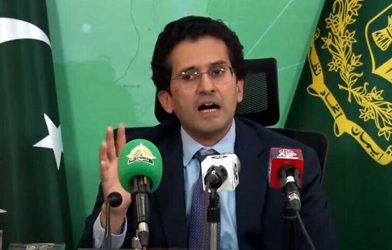
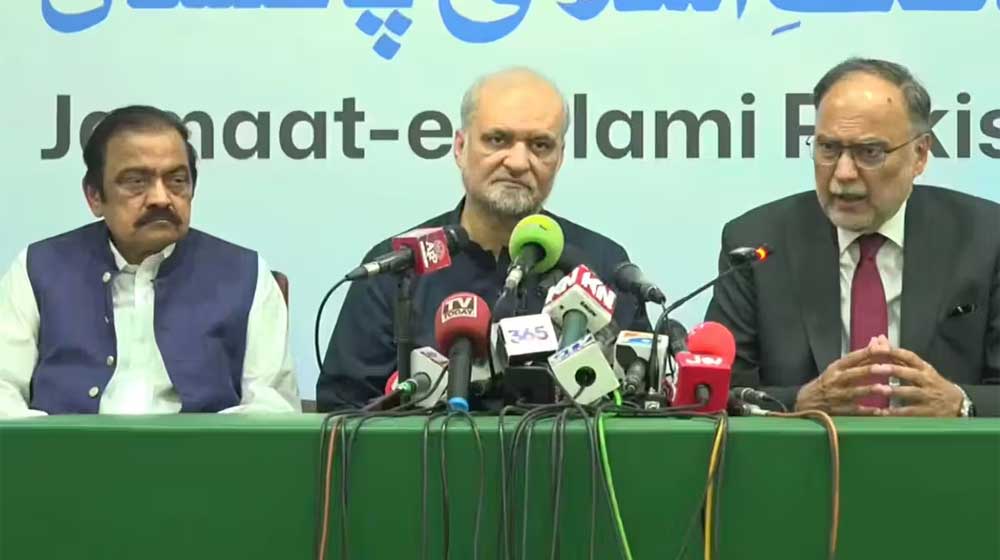
Planning Minister Ahsan Iqbal, Prime Minister’s Adviser Rana Sanaullah and JI Emir Hafiz Naeem-ur-Rehman announced this agreement jointly. Their news conference occurred in Lahore specifically. This followed extensive talks between government representatives and JI leadership. Iqbal explained the government would establish its own expert panel. Additionally, JI received requests forming their parallel committee structure. Therefore, both sides could jointly assess practical relief options comprehensively.
Understanding current taxation levels provides important context specifically. Pakistan currently collects approximately 114 rupees per liter in petrol taxes. Meanwhile, diesel taxation reaches about 100 rupees per liter currently. Iqbal expressed genuine openness toward committee recommendations directly. “We will happily act upon recommendations put forward by these committees,” he stated clearly. Additionally, the government would present its own position during these discussions.
Both parties agreed that consumer relief represents a priority specifically. Iqbal confirmed the government would carefully consider committee recommendations. Furthermore, feasible suggestions would receive implementation consideration seriously. He also emphasized broader national interests remaining central throughout negotiations. Internal stability concerns would guide decision-making processes specifically. Additionally, Iqbal warned against external exploitation of Pakistan’s internal instability.
Understanding JI’s protest motivations requires examining specific grievances clearly. Rehman explained petroleum levy concerns represented just one discussion topic. The party has maintained sit-ins for 19 consecutive days specifically. These protests span more than 20 locations nationwide currently. Rehman firmly rejected personal agenda accusations regarding these demonstrations. Instead, he characterized them as responses to genuine financial pressures.
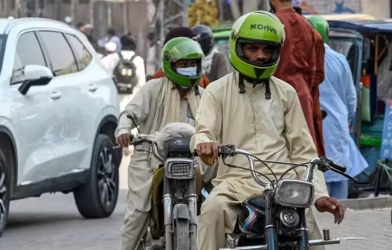
Rehman articulated specific tax burden concerns affecting lower-income citizens. He argued petroleum taxation disproportionately impacts poorer consumers unfairly. Specifically, motorcycle riders below taxable income thresholds still pay substantial taxes. These riders effectively pay approximately 35 percent taxes on petrol purchases. Therefore, this regressive taxation structure particularly burdens vulnerable populations.
JI’s expert committee includes several senior party figures specifically. Liaquat Baloch will head this important committee. Additionally, Naveed Ali Baig, Ziaddun Ansari, Nasrullah Randhawa and Farasat Shah will participate. Rehman confirmed the party’s core demand remains levy abolition entirely. However, he assured government representatives regarding reasonable negotiation approaches. JI wouldn’t press “obstinate demands” during these discussions specifically.
Government representatives requested protest suspension during ongoing negotiations specifically. However, JI decided continuing sit-ins alongside these formal talks. Therefore, protests continue despite active negotiation processes currently.
Sanaullah provided specific timeline expectations for committee work. Both committees should reach workable solutions within two weeks specifically. Additionally, he reiterated government commitment considering these eventual recommendations. This timeline provides concrete accountability for resolving current tensions.
Context reveals broader protest campaign scope beyond current negotiations. JI announced August 16 plans for four-province sit-ins specifically. Additionally, they called for nationwide strikes on September 3. Finally, Pakistan govt JI petroleum levy negotiations represent crucial steps toward resolving ongoing tensions, though continued protests alongside formal talks demonstrate persistent public pressure for meaningful fuel price relief.