
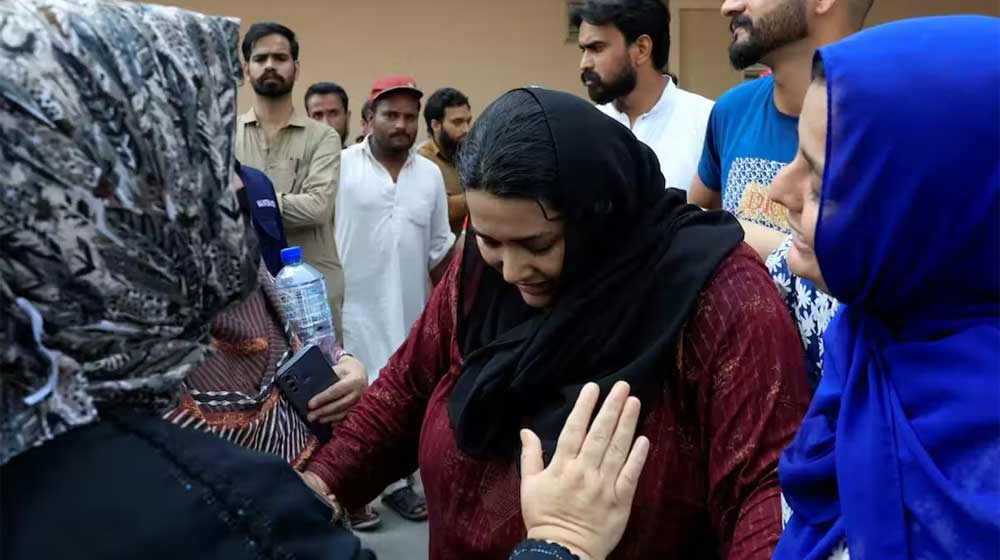
Pakistan’s government responded to a devastating tragedy with financial support. The federal government announced PIMS fire compensation for affected families this week. Therefore, PIMS fire compensation totals Rs5 million per family for each of 14 newborns who died. This amounts to approximately $18,000 per family in support. The Ministry of Information acknowledged the government shares families’ profound grief. Additionally, officials emphasized financial compensation cannot replace lost lives meaningfully. However, the funds aim easing families’ immediate hardship during this difficult period.
The fire broke out Wednesday on the third floor specifically. It struck the Mother and Child Hospital’s ward directly. Health Minister Mustafa Kamal attributed the fire to an air conditioner blast. However, authorities haven’t established the exact cause definitively yet. Prime Minister Shehbaz Sharif responded swiftly removing the federal health secretary immediately. Furthermore, he ordered a comprehensive inquiry into the incident. Therefore, accountability measures began almost immediately following the tragedy.
Senior doctors are raising serious safety concerns publicly. They question whether better planning could have prevented this disaster. Electrical safety and building inspection failures require thorough investigation. One anonymous doctor suggested electromedical department responsibility specifically. Flame-proof electrical fittings may have been absent from the nursery. Additionally, the inquiry should examine authorization processes for moving patients during renovations. Another doctor identified engineering oversight responsibilities directly. Wiring standards and safety certifications require verification before patient placement. Therefore, multiple departments face scrutiny regarding this tragedy.
Emergency exit policies drew intense criticism from medical professionals. PIMS administration kept doors closed preventing potential theft. However, former Punjab health minister Dr. Javed Akram strongly criticized this approach. He argued CCTV cameras and guards should have replaced locked doors instead. “It is a hospital not a jail,” he stated firmly. Akram noted seven years leading PIMS without any theft incidents occurring. Additionally, he mentioned previously-used GPS tracking systems for infant security. Furthermore, he revealed that fire drills and safety departments became dysfunctional over time. Witnesses reported waiting hours for emergency services during the crisis. They described breaking windows reaching the neonatal unit desperately. Locked doors reportedly blocked access repeatedly, though authorities dispute these accounts.
Civil society and medical organizations demanded systemic changes urgently. Dr. Qaiser Sajjad urged prioritizing existing hospital upgrades over new projects. He also called on officials using public hospitals for personal treatment. This would demonstrate genuine commitment to healthcare quality. Pakistan Peoples Party lawmakers submitted multiple parliamentary notices demanding investigation. The Pakistan Society of Emergency Medicine called for transparent systems review. Meanwhile, human rights activists demanded immediate suspension of responsible administrators. They also requested comprehensive safety protocols and staff training programs.
PIMS implemented immediate operational adjustments following the fire. Serious gynecological cases now transfer to Rawalpindi facilities temporarily. This continues while damaged nursery undergoes necessary repairs. A senior gynecologist confirmed no formal refusal policy exists generally. However, extremely serious cases require referral given current capacity constraints. Newly appointed Health Secretary Muhammad Mehmood announced technology improvements already underway. He emphasized infrastructure must meet international standards going forward. Additionally, he plans operating from PIMS directly understanding challenges firsthand.
Broader safety reforms are emerging across Pakistan’s healthcare system. The Punjab Healthcare Commission issued urgent fire safety directives Thursday. These require comprehensive emergency response arrangements at all facilities. Health departments and emergency services must ensure adequate preparedness. Therefore, this PIMS fire compensation announcement accompanies broader systemic reform efforts. Finally, Pakistan’s healthcare system faces mounting pressure ensuring similar tragedies never recur.