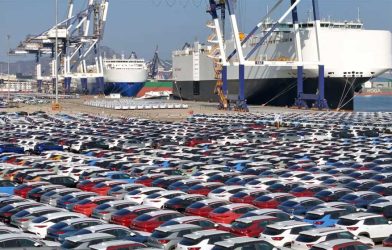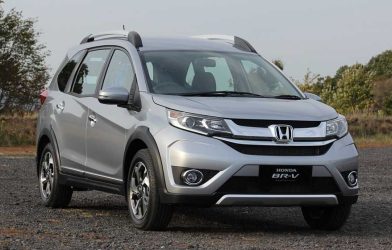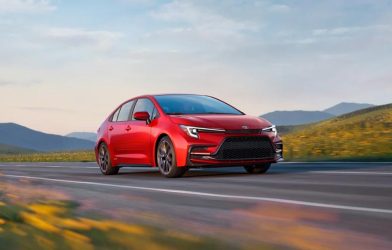
Pakistan’s automotive sector just received critical news. An Ishaq Dar-led steering committee approved the Pakistan auto policy framework after extensive deliberations. Therefore, the Pakistan auto policy moves toward final cabinet consideration imminently. The committee reached consensus on a comprehensive framework addressing electric vehicles, hybrids and localization simultaneously. Officials involved confirmed the finalized proposal will now reach the Ministry of Industries and Production. Subsequently, it advances to the federal cabinet for formal approval procedures.
The policy breakthrough ends months of contentious negotiations with local automakers. The automobile industry raised significant concerns about the proposed framework initially. Disagreements centered on EV incentives, hybrid taxation and localization requirements specifically. Industry representatives sought temporary relief for hybrid vehicles during transition periods. Additionally, they called for a phased approach prioritizing local manufacturing development. Dealers warned that generous EV incentives without clear transition strategy could increase fully-built vehicle imports.
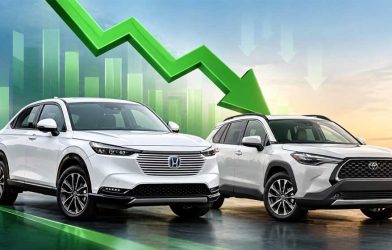
The previous Auto Industry Development and Export Policy expired June 30, 2026. This expiration triggered automatic taxation changes harming the hybrid market immediately. Sales tax on hybrid electric vehicles jumped from 8.5 percent to 25 percent overnight. Consequently, vehicle prices increased substantially across the market. This uncertainty caused manufacturers to delay deliveries pending clarity. Buyers postponed purchases awaiting new policy guidance. Market activity essentially froze during the interim period.
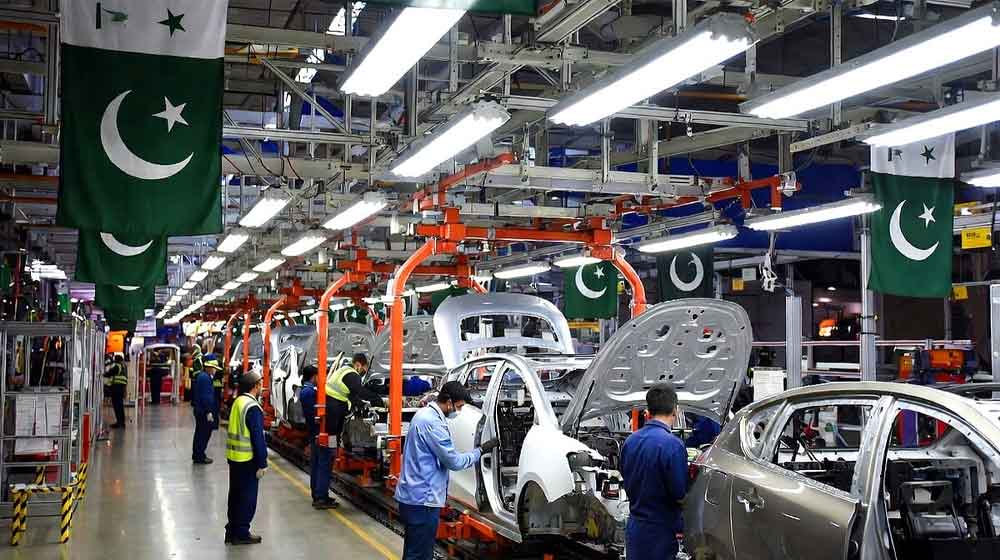
The Pakistan auto policy aims to transform the sector comprehensively. Electric vehicle promotion represents a core objective throughout. Hybrid vehicle encouragement supports the transition period strategically. Local manufacturing growth strengthens Pakistan’s industrial capacity. Technology transfer accelerates capability development domestically. Reducing petroleum import dependence improves Pakistan’s foreign exchange position significantly. Therefore, the policy addresses multiple national priorities simultaneously.
Key issues dominated the prolonged policy debate intensely. Taxation rates for different vehicle categories required careful balancing. EV incentive generosity versus fiscal sustainability concerned officials deeply. Hybrid vehicle treatment during transition periods posed political challenges. Localization requirements balance domestic industry protection with consumer access. The pace of transition toward full electrification needed realistic assessment. These complex issues explain the extended deliberation period.
Industry stakeholders broadly supported electric mobility transition philosophically. However, they demanded realistic implementation timelines and support mechanisms. They recognized that abrupt policy changes harm market stability. Therefore, they requested gradual transitions allowing manufacturers to adjust. The Ishaq Dar committee apparently incorporated these concerns into the final framework. This suggests a more balanced approach than initial proposals contained.
The cabinet review will determine final policy parameters. Taxation structures will receive close scrutiny from finance officials. EV incentives must balance environmental goals with fiscal impacts. Hybrid treatment requires political consensus among stakeholder groups. Localization provisions need feasibility assessment across manufacturers. The transition pace must remain realistic while advancing environmental objectives. Finally, the Pakistan auto policy framework must serve national development interests comprehensively moving forward.