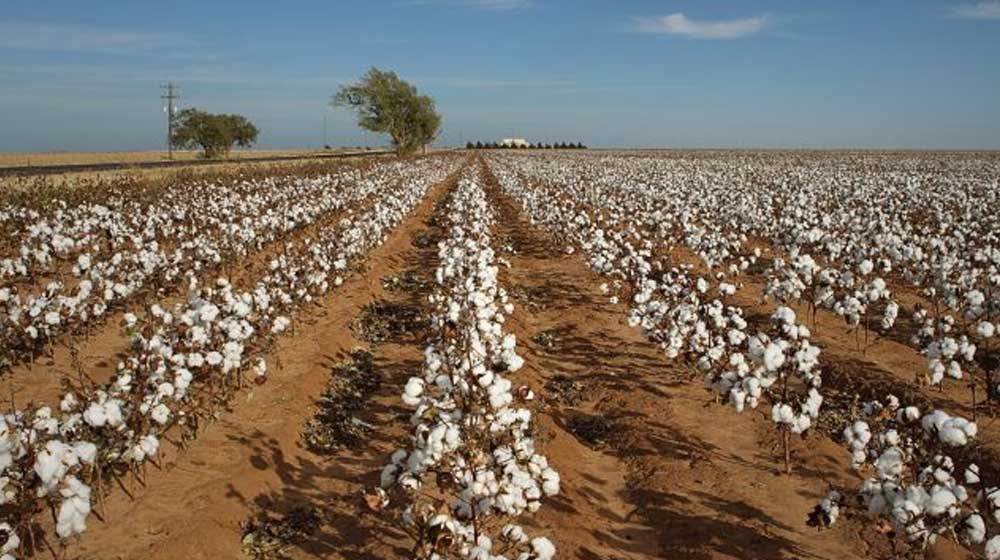
Pakistan’s cotton season started exceptionally strong. Seed cotton arrivals surged dramatically across the nation. By July 31, Pakistan cotton arrivals reached 785,822 bales representing a 32.33 percent increase year-on-year. This substantial growth indicates robust production momentum heading into peak harvest season. Additionally, the expansion demonstrates shifting geographic patterns within domestic cotton cultivation.
Sindh absolutely dominated the increase. The province recorded arrivals totaling 487,672 bales—a remarkable 66.82 percent surge compared to the previous year. Consequently, Sindh now accounts for the overwhelming majority of Pakistan’s cotton arrivals. Meanwhile, Punjab recorded only marginal decline at 1.1 percent to 298,150 bales. Furthermore, Balochistan posted impressive growth at 52.67 percent reaching 22,900 bales.
Sanghar district emerged as the production powerhouse. The district alone contributed 398,000 bales representing 82 percent of Sindh’s entire output. Additionally, Sanghar accounted for over half of Pakistan’s total national arrivals. This concentration reflects earlier sowing and harvesting in the province’s coastal belt strategically. Therefore, geographic advantages translated into significant competitive advantage.
The ginning sector operated at near-full capacity. A total of 231 factories remained operational nationwide. Punjab hosted 108 factories while Sindh operated 123 facilities. Textile mills purchased 704,000 bales demonstrating strong domestic demand. Meanwhile, exporters bought only 3,400 bales suggesting limited international sales activity. Additionally, 78,044 bales remained unsold at ginning factories.
Industry experts expressed cautious optimism mixed with concerns. Cotton Ginners Forum Chairman Ihsanul Haq highlighted data discrepancies between PCGA reports and Punjab’s Crop Reporting Service estimates. Furthermore, he warned that expanding sugarcane cultivation threatened cotton acreage continuously. This trend increased Pakistan’s dependence on imported cotton and edible oil dangerously.
The Central Cotton Research Institute cautioned about emerging risks. August and September will provide clearer production pictures ultimately. Prolonged humidity and monsoon rains could increase whitefly, pink bollworm and crop disease incidence. Therefore, yields and lint quality remain vulnerable to weather fluctuations. Finally, Pakistan cotton arrivals demonstrate strong early performance despite underlying structural challenges.