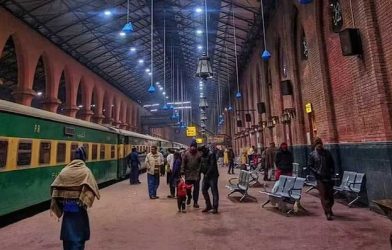

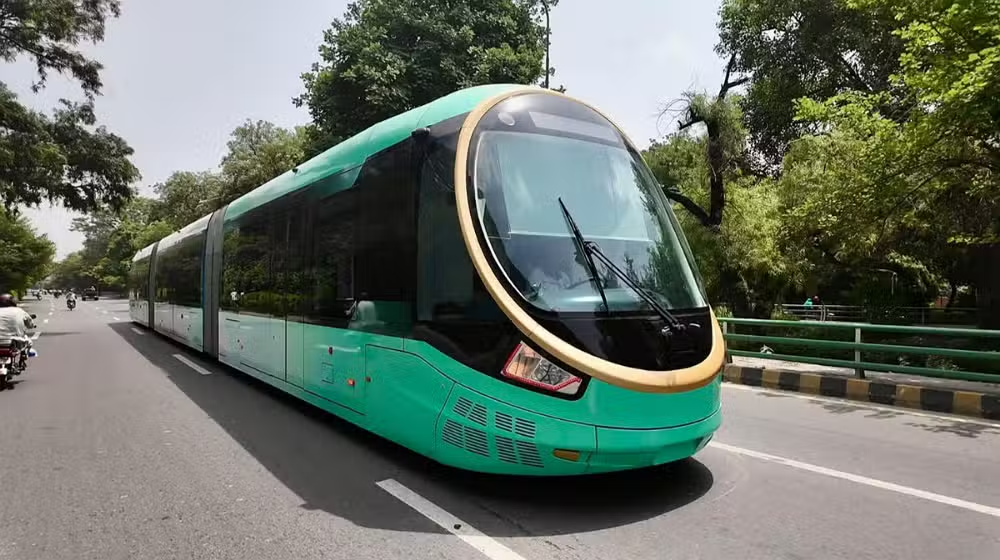
The highly anticipated Lahore electric tram project currently faces significant delays despite a successful initial trial run. Although the government planned to modernize urban transit along the canal corridor, progress has slowed down considerably. Environmental groups have emerged as a major hurdle, with the Lahore Bachao Committee preparing to seek a court stay order. They argue that cutting mature trees along the canal will permanently damage the city’s natural landscape. While the government views the tram as an eco-friendly solution, civic activists believe the environmental cost is too high. This tension has forced officials to re-evaluate the original plan to ensure a balance between development and nature.
Financial and Technical Challenges for the Lahore Electric Tram Project
Beyond environmental objections, the Lahore electric tram project struggles with various financial and technical constraints. Building a dedicated 27-kilometer track and multiple modern stations requires a massive capital investment. Officials have held discussions with international partners in China and Europe to procure the specialized electric vehicles. However, global economic shifts and the diversion of funds to other priority areas have impacted the project’s timeline. Each tram unit can carry up to 300 passengers and requires only ten minutes of charging to cover its full route. These technical benefits remain attractive, yet the high cost of importing technology continues to slow down the procurement process.
Local residents generally support the initiative, citing the desperate need for better public transport to ease traffic congestion. Many commuters believe a modern tram service would provide a reliable and efficient alternative for daily travel. In response to the criticism, the transport department confirmed the project is not shelved but remains under rigorous review. Officials are now considering compensatory tree plantation and alternative route designs to minimize the impact on green spaces. If the government secures final approval and addresses the legal challenges, the project could still reach completion within a year. For now, the city waits as planners work to resolve the conflict between urban modernization and environmental preservation.