
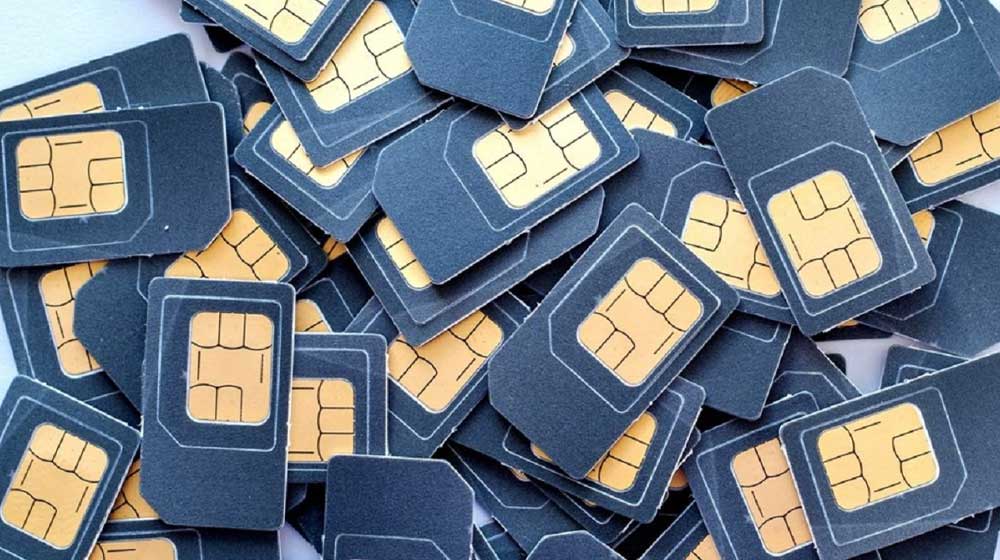
The Pakistan Telecommunication Authority (PTA) has proposed a central database of blocked foreign SIM and eSIM users. A user cut off by one Pakistani network would not be able to connect through another. The plan is part of the draft International Roaming (Inbound) Regulations, 2026.
International roaming means a foreign SIM or eSIM working on a Pakistani network, as it does for visitors and overseas Pakistanis. PTA says these users can get on Pakistani networks today without any local identity check. It says this gap is being used for spoofed calls, phishing messages, extortion, online shopping fraud and identity theft.
What the database would hold
PTA would run the database and give mobile operators secure access when needed. For each blocked user, it would store:
- the SIM’s identity number (IMSI)
- the mobile number
- the phone’s IMEI number
- details of the foreign mobile operator or aggregator
- the date of blocking
- the reason for blocking
The rules would also say how long records can be kept, who can see them, how every access is logged and checked, and how wrong or old records can be fixed or removed.
When operators must block
Operators would have to block or suspend roaming at once if a user is found involved in fraud, cybercrime, harassment, threats or other illegal acts. The action could rest on credible information, the operator’s own monitoring, lawful interception, or orders from PTA, law enforcement agencies or courts.
The operator would also have to tell the user’s home mobile operator, share the identity details it has and ask for action. Every block must be reported to PTA within 72 hours, with reasons. If the reasons turn out to be wrong or the problem is settled, the operator must restore the service and tell PTA and the foreign operator.
PTA could also order Pakistani operators to block specific users, groups of IMSIs or even a whole foreign operator. For large blocks, it would have to weigh the scale of the action and whether it is fair for the problem.
A 90-day limit and ID checks
The draft goes beyond the database. A roaming connection used for 90 days or more in any 180-day period would count as permanent roaming. It could be suspended if the operator cannot show the use is temporary.
Operators would have to check the identity of foreign users. They would collect passport or travel document details, nationality, SIM or eSIM identifiers and home operator details. Where available, they would also collect the arrival date and expected length of stay. Checks could be done through activation steps, a link in a welcome SMS, a PTA-approved online portal or coordination with immigration authorities.
Companies that sell travel SIMs and eSIMs would have to register with PTA. Operators would have to keep roaming records for at least 12 months.
Not yet in force
The rules are still a draft. PTA invited comments until November 10, 2026. They will become binding only after they are published in the official Gazette.