
The International Court of Justice (ICJ), the UN’s top court, has ruled that Myanmar committed genocide against the Rohingya group in northern Rakhine State. It is the first time the court has found that a state committed genocide. ICJ President Yuji Iwasawa read the judgment on November 19, 2026.
The judges adopted it by nine votes to six. The judgment is final, binding and cannot be appealed.
What the court found
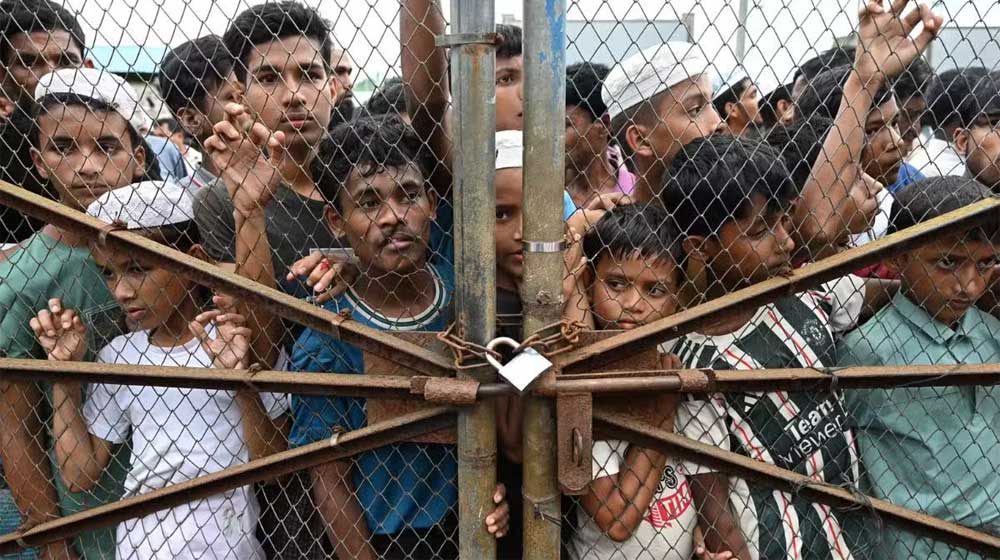
The court found that Myanmar’s security forces and other state bodies killed group members, caused serious bodily or mental harm and imposed measures to prevent births. About 10,000 Rohingya were killed, and about 700,000 fled to Bangladesh. Nearly 400 villages, about 40% of those in three northern Rakhine townships, were partly or fully destroyed.
The “clearance operations” began after attacks by the Arakan Rohingya Salvation Army on security posts on August 25, 2017. The court did not accept that this was simply a counter-insurgency. It found that roughly 815,000 Rohingya in northern Rakhine formed a substantial part of the group, and that the only reasonable inference was an intent to destroy it.
Myanmar also failed to prevent and punish genocide, and failed to pass laws to give the Genocide Convention full effect. The court did not find that Myanmar directly and publicly incited genocide.
What Myanmar must do now
The court ordered Myanmar to investigate and prosecute suspects, give guarantees that it will not happen again, and allow safe, voluntary and dignified return and family reunification for displaced Rohingya. Myanmar must also compensate the Rohingya. It has two years to report on its restitution measures and proposed compensation, and the court will set the amount later.
Six judges disagreed
Vice-President Julia Sebutinde and five other judges argued that the majority applied a lower standard of proof than past rulings and leaned too heavily on fact-finding reports. Iwasawa agreed on genocidal intent but argued that The Gambia lacked standing to seek compensation.
Who brought the case
The Gambia started the case in November 2019 with the backing of the Organisation of Islamic Cooperation (OIC). The OIC has 57 member states, including Pakistan.
What happens next
The ICJ has no police force. The UN Security Council can make recommendations or decide on measures to give effect to the judgment. Britain’s Foreign Secretary Ed Miliband said the UK is expelling Myanmar’s defence attaché and calling urgently for a Security Council session.
UN Secretary-General António Guterres called the ruling a “powerful recognition of the Rohingya victims of genocide.” Bangladesh’s government said it welcomed the verdict and hoped Myanmar would comply and take the Rohingya back. Rights groups, including Amnesty International, say the ruling has implications for other pending cases, including the one on Gaza.