
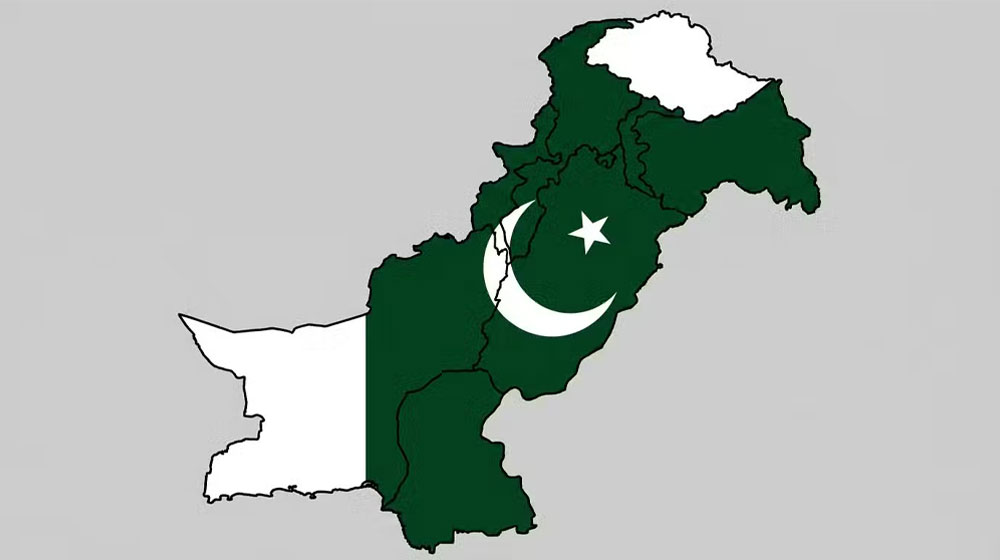
A plan for 12 provinces in Pakistan is being considered, and the public may be asked to vote on the idea first, The News reported on Sunday, citing unnamed sources. No bill has been brought to Parliament, no public vote has been approved, and no borders have been agreed.
Under the plan, Punjab would become four provinces, Khyber Pakhtunkhwa and Balochistan three each, and Sindh two. That means eight more provinces than Pakistan has today, and three of those would come from Punjab alone.
Defence Minister Khawaja Asif gave the idea open support a day after the report. “If there is a proposal for 12 provinces, then make it 12,” Khawaja Asif said, adding that new provinces should not be based on language, ethnicity or politics.
A vote cannot draw borders
A referendum is a direct public vote on one question. Constitutional experts say it can only measure public opinion and cannot create a province by itself. Under Article 48(6) of the Constitution, the prime minister can send a national question to a joint sitting of Parliament for a referendum.
Actual new provinces would need a change to the Constitution. Two-thirds of all members in both the National Assembly and the Senate would have to approve it. The assembly of each affected province must then pass it by two-thirds as well.
For the plan as reported, that means all four provincial assemblies would have to agree, because all four provinces would be split. For now, nothing changes for any citizen.
Sindh holds a veto
The strongest resistance so far has come from Sindh. The Sindh Assembly unanimously passed a resolution on September 3, 2026, rejecting any division of the province. Sindh Chief Minister Murad Ali Shah said “our province will not be divided” while even one of its lawmakers is alive.
Some legal experts say supporters could try to remove the provincial approval rule through Parliament. Others argue that removing it would itself need the approval of every provincial assembly.
In Punjab, the picture may be different. Senior journalist Sohail Warraich has claimed that PML-N agreed in principle to new provinces in Punjab, on the condition that they start after the 2029 general elections.
Two different timelines
The sources behind the new report say the amendment could be taken up in the first half of 2027, with early work starting in the first three months of the year.
That is later than what the government’s own side said last week. Huzaifa Rehman, Special Assistant to the Prime Minister, said on November 1 that the 28th Amendment would be introduced before the New Year. Huzaifa Rehman also warned that new provinces may never be created if they are left out of this amendment.
The bill for new provinces
More provinces would mean more assemblies, ministers and offices to pay for, and supporters and critics disagree on whether better services would justify that cost. Karachi Chamber of Commerce and Industry President Rehan Hanif said more provinces would bring extra expenses, but better services could help the economy.
The last big change to Pakistan’s map offers a warning. The tribal districts joined Khyber Pakhtunkhwa in 2018, yet the province says its share of federal money has still not been fixed to cover them. Muzzammil Aslam, finance adviser to the Khyber Pakhtunkhwa government, asked how Pakistan could split into many provinces when one merger remains unsettled after eight years.