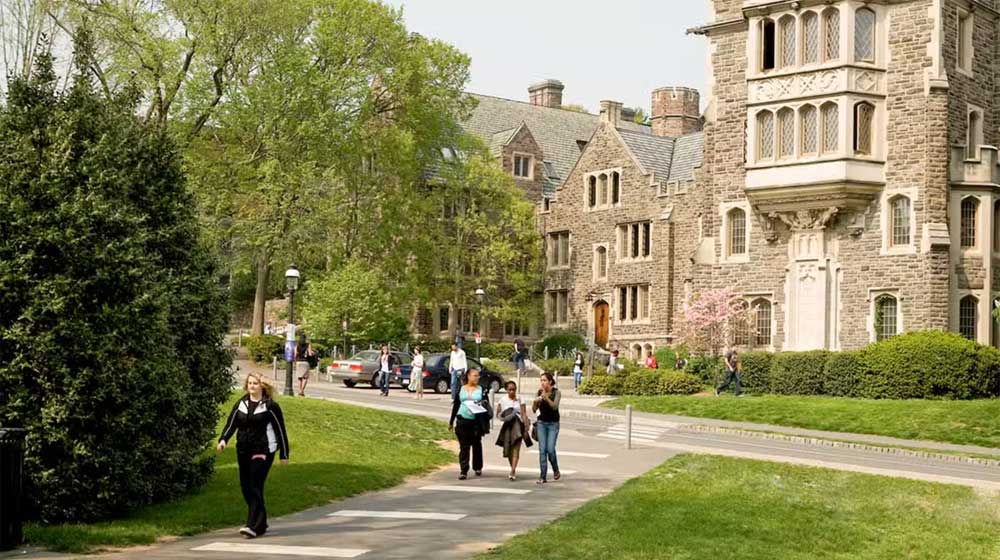
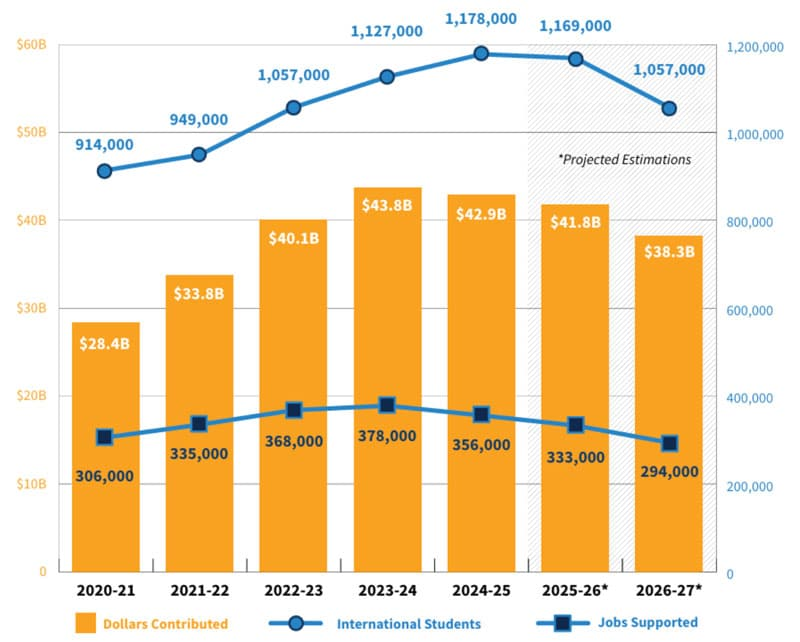
American universities face a critical enrollment crisis. The US student visa delays could cost the nation over 110,000 international students this fall. Therefore, higher education institutions across America prepare for substantial enrollment declines. According to NAFSA and Studyportals analysis, international enrollment projections show a 9.5 percent drop for fall 2026. This represents one of the steepest declines in years.
The economic impact proves staggering for the nation. Lost spending from reduced international enrollment could reach $3.4 billion. Additionally, approximately 39,000 jobs depend on international student spending directly. US student visa delays compound existing economic challenges throughout education sectors. The crisis extends beyond universities affecting entire regional economies substantially.
Declining interest appears across multiple measures already. The international doctoral candidate pool dropped 21 percent for 2026-27. Consequently, international PhD admissions fell 17 percent correspondingly. Common App international applications declined 9 percent for the coming academic year. These early indicators suggest the projected enrollment decline is realistic. Nearly two-thirds of surveyed institutions expect reduced international enrollment.
Multiple factors combine creating the current crisis. An expanded US travel ban affecting 39 countries took effect January 1, 2026. Student visa processing continues but faces significant delays nationwide. The State Department prioritized FIFA World Cup ticket holders during spring and summer periods. This unusual prioritization diverted resources from student visa processing traditionally. Consequently, processing times extended dramatically across multiple regions.
India, China and Europe face particularly severe visa challenges. Limited interview availability restricts applicant processing substantially. Significant processing delays frustrate prospective international students repeatedly. These regional bottlenecks disproportionately affect major source countries. Their combined populations represent the largest pools of international applicants globally.
Policy uncertainty adds another pressure layer continuously. The Duration of Status system faces replacement with fixed Admit-Until-Date requirements. Students needing extended time must now apply for extensions through immigration authorities. This change creates significant uncertainty particularly for longer degree programs. Additionally, concerns about Optional Practical Training modifications worry international graduates. This program allows international graduates to gain US work experience post-graduation.
The combined pressures create a challenging recruitment environment. Universities cannot guarantee smooth visa processing anymore. Prospective students face travel restrictions and policy uncertainty simultaneously. Therefore, many internationals choose alternative destinations instead. Canada and Australia offer more predictable immigration processes. The US student visa delays essentially redirect talented students elsewhere permanently. Finally, American higher education may lose global competitiveness if trends continue.