Pakistan cannot build lasting security without fundamental institutional change. Military leadership emphasized this Friday through a comprehensive security briefing. The DG ISPR highlighted that good governance Pakistan security remains inseparably linked to national survival. Furthermore, without proper governance, no strategic issue finds resolution.
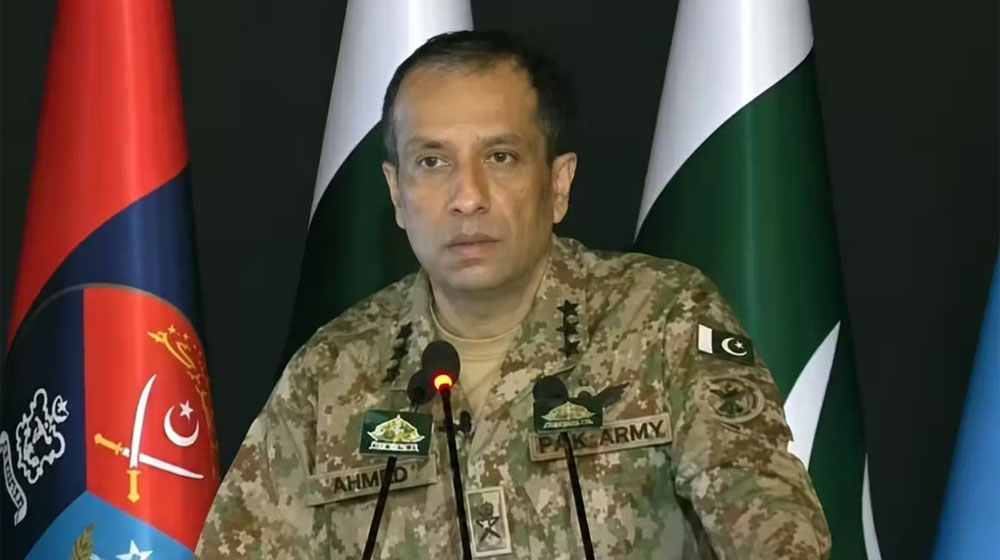
Lieutenant General Ahmed Sharif Chaudhry addressed the National Action Plan’s requirements directly. The 14-point agenda demands good governance for implementation across all political parties. Additionally, this requires constitutional methods and legal procedures throughout. The military spokesperson stressed that politicians must decide governance structures themselves. Meanwhile, the population has grown to 240-250 million while Pakistan retains just four provinces. Therefore, serious debate about administrative restructuring remains necessary.
Counter-terrorism operations demonstrated measurable progress despite rising incident numbers. Security forces conducted 40,348 intelligence-based operations this year. Balochistan saw the majority exceeding 31,000 operations. Consequently, 2,084 confirmed terrorists were eliminated—averaging 10 daily. This represents the highest ratio ever recorded. Meanwhile, security personnel conducted nearly 200 operations daily throughout the year.
The cost to Pakistan proved substantial however. A total of 819 Pakistanis were martyred, averaging four daily. This comprised 303 army personnel, 194 law enforcement officers, and 322 civilians. Meanwhile, terrorism incidents reached 3,145, predominantly in Khyber Pakhtunkhwa and Balochistan.
The DG ISPR addressed what he termed the “hard state” question. A true hard state applies Constitution and law equally to everyone. Unfortunately, Pakistan doesn’t currently meet this standard. Additionally, citizens must understand their obligations before demanding rights. The military chief quoted Article 5 of the Constitution emphasizing loyalty to state and obedience to law. These fundamentals precede all rights discussions constitutionally.
Balochistan’s challenges reflected deeper structural problems. Elitism, sardarism and resistance to change fueled terrorism there. External powers recognized Balochistan’s natural resources and strategic potential. Furthermore, they engaged directly through terrorist proxies finding willing partners among local elites. Afghanistan’s Taliban regime sustained itself through terrorism and exported instability continuously.
The military highlighted propaganda’s three elements systematically. First, narratives of deprivation despite Balochistan receiving per capita budgets exceeding Rs. 75,000. Second, claims of underrepresentation despite same families occupying seats since 1973. Third, missing persons cases where the commission disposed of 9,372 cases of 10,901 applications received. Among disposed cases, 4,896 people returned home while 1,030 were located in prisons.
Security force operations continue through Operation Shaban morphed into Operation Al-Azm. FC West establishment in Chagai will secure the mineral corridor. Additionally, police capacity strengthening includes posting new ASPs and bulletproof vehicle provision. Rs. 70 billion was allocated to socioeconomic projects while Rs. 24 billion supports the Balochistan Special Development Initiative.
Finally, the military emphasized good governance Pakistan security as providing the foundation for prosperity and stability throughout the nation’s future development.