

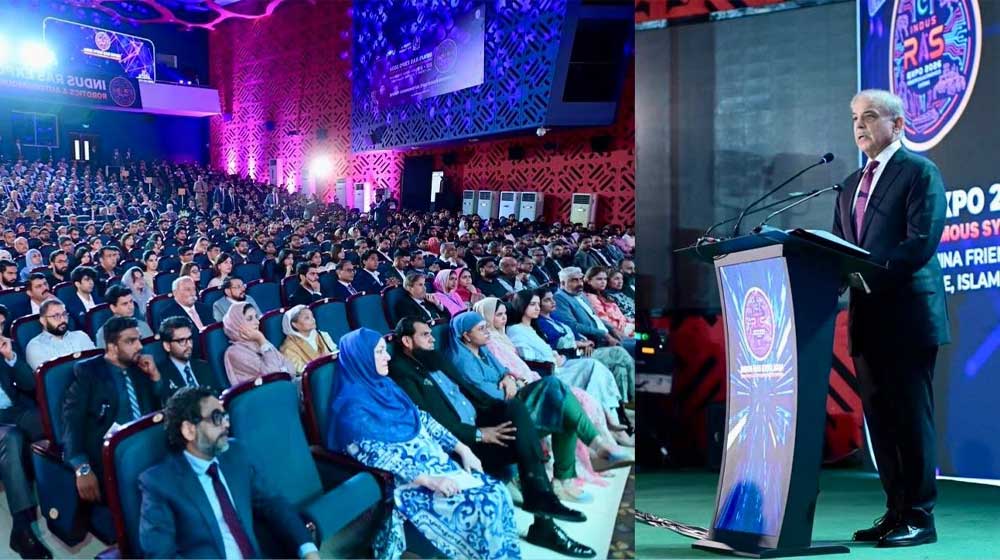
Prime Minister Shehbaz Sharif inaugurated the Pakistan Robotics Expo on Tuesday in Islamabad. He called the event a symbol of the nation’s resolve to become a major player in 21st-century technologies. Therefore, the Pakistan Robotics Expo represents far more than a trade show—it signals genuine commitment to indigenous innovation.
Robotics and autonomous systems are already transforming key sectors across Pakistan. Agriculture benefits most directly. These technologies help farmers detect crop stress more accurately. Additionally, they optimize water, fertilizer, and pesticide use significantly. Moreover, farmers respond better to climate challenges using autonomous systems. Therefore, rural productivity gains could reshape the entire agricultural sector.
Autonomous systems also improve disaster response capabilities. Shehbaz highlighted Pakistan’s progress in indigenous defense and security technologies. The armed forces under Field Marshal Syed Asim Munir have adopted systems developed domestically. Furthermore, advanced simulators are now manufactured locally. Meanwhile, drones have reached more than 60 percent indigenization rates. Therefore, Pakistan no longer relies entirely on foreign military hardware.
The PM referenced Marka-e-Haq as proof of concept. The world witnessed Pakistan’s effective use of advanced autonomous systems. These systems protected both physical and cyber frontiers successfully. As a result, international observers recognized Pakistan’s technological maturity.
Shehbaz urged universities, research institutions, startups, and industries to collaborate. Building a strong national innovation ecosystem requires coordinated effort. Additionally, knowledge and technology must remain nationally owned and continuously improved. Furthermore, locally developed innovations should not leak to foreign entities.
Inclusive innovation matters equally to the PM. Robotics and autonomous systems should benefit farmers, small businesses, and women entrepreneurs. Additionally, young innovators and underserved communities deserve access to these technologies. Therefore, technology advancement cannot remain concentrated among elites.
Clear regulatory and ethical frameworks are essential. Autonomous systems must remain safe, secure, and transparent in operation. Shehbaz stressed that Pakistan cannot adopt technology blindly. Furthermore, the nation needs governance structures ensuring responsible deployment across society.
The PM announced two major initiatives simultaneously. The Spark and Elevate Programme will transform research into globally competitive technologies and jobs. Additionally, the Pakistan Venture Fund was established with $20 million initial commitment. Therefore, startups now have access to capital for scaling innovations. Finally, these investments signal government determination to build Pakistan into a technology powerhouse.